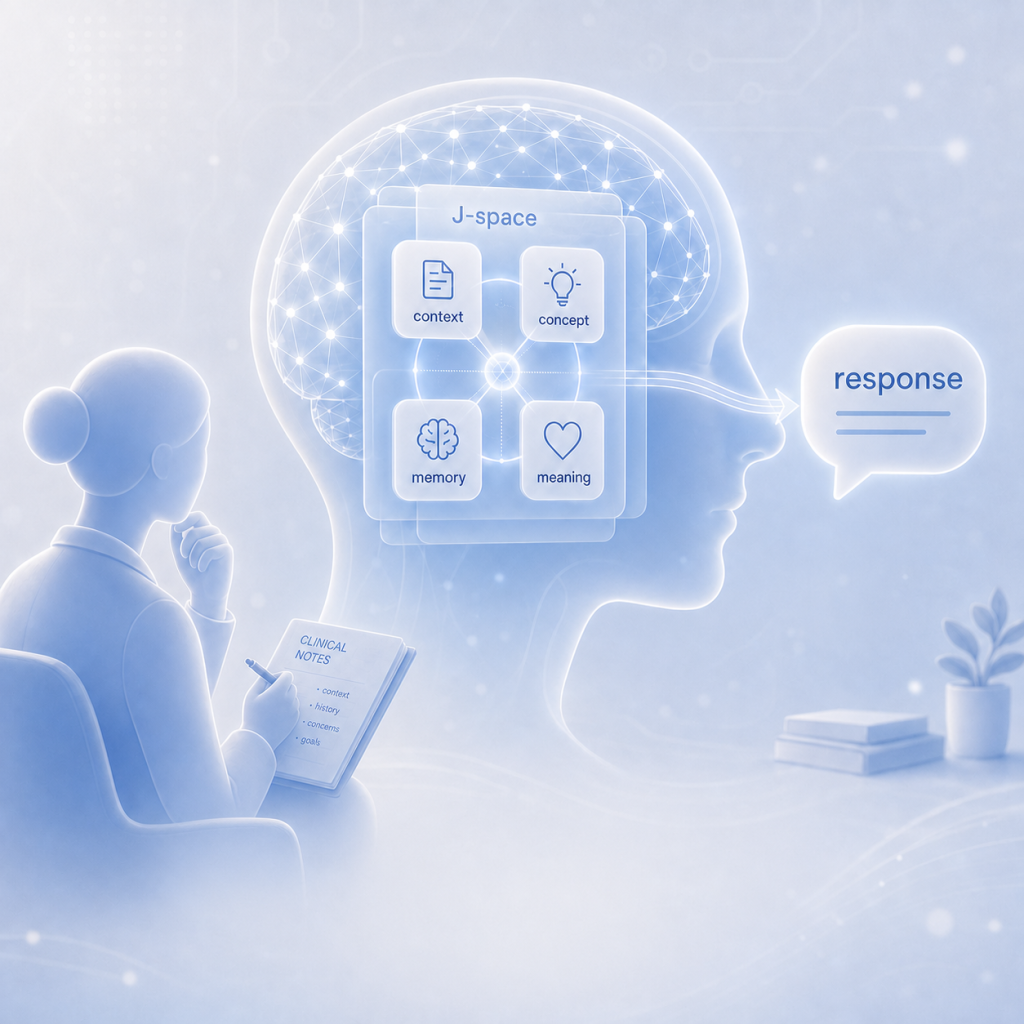
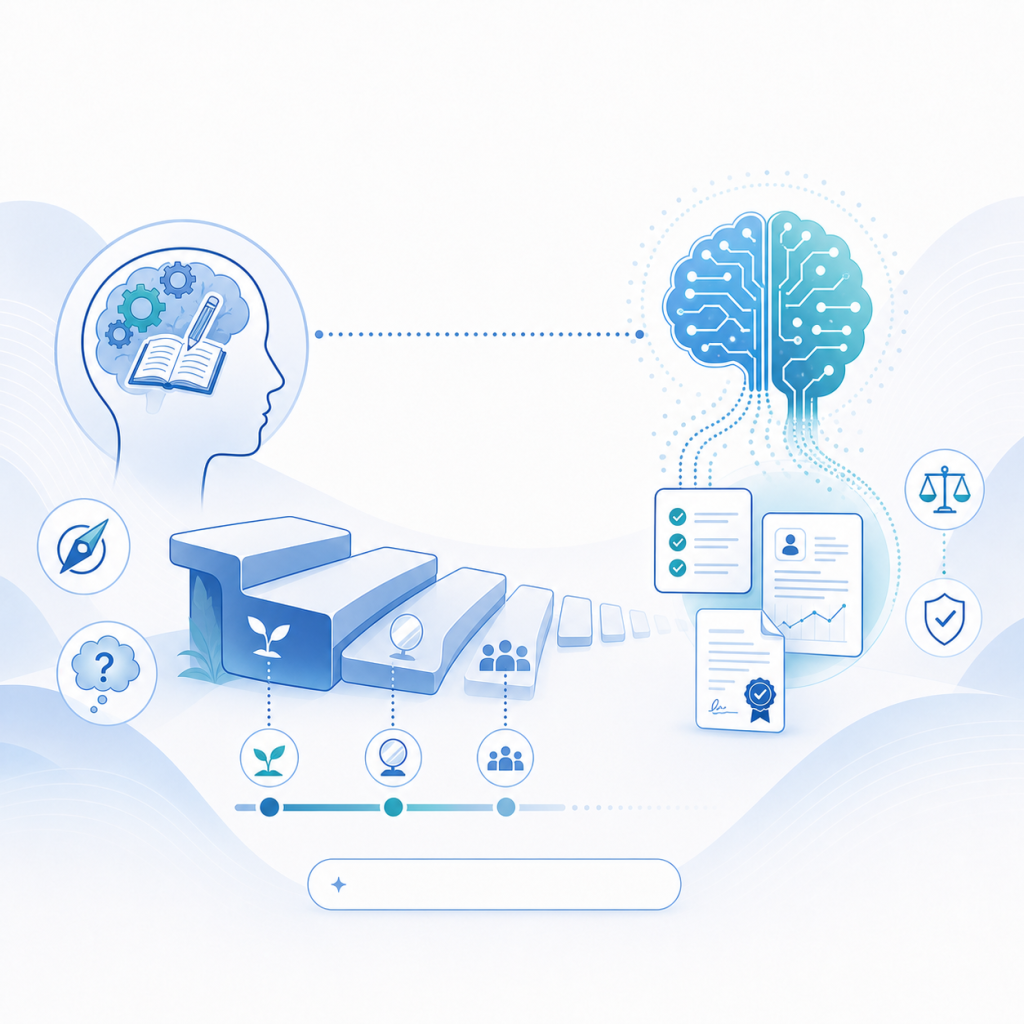
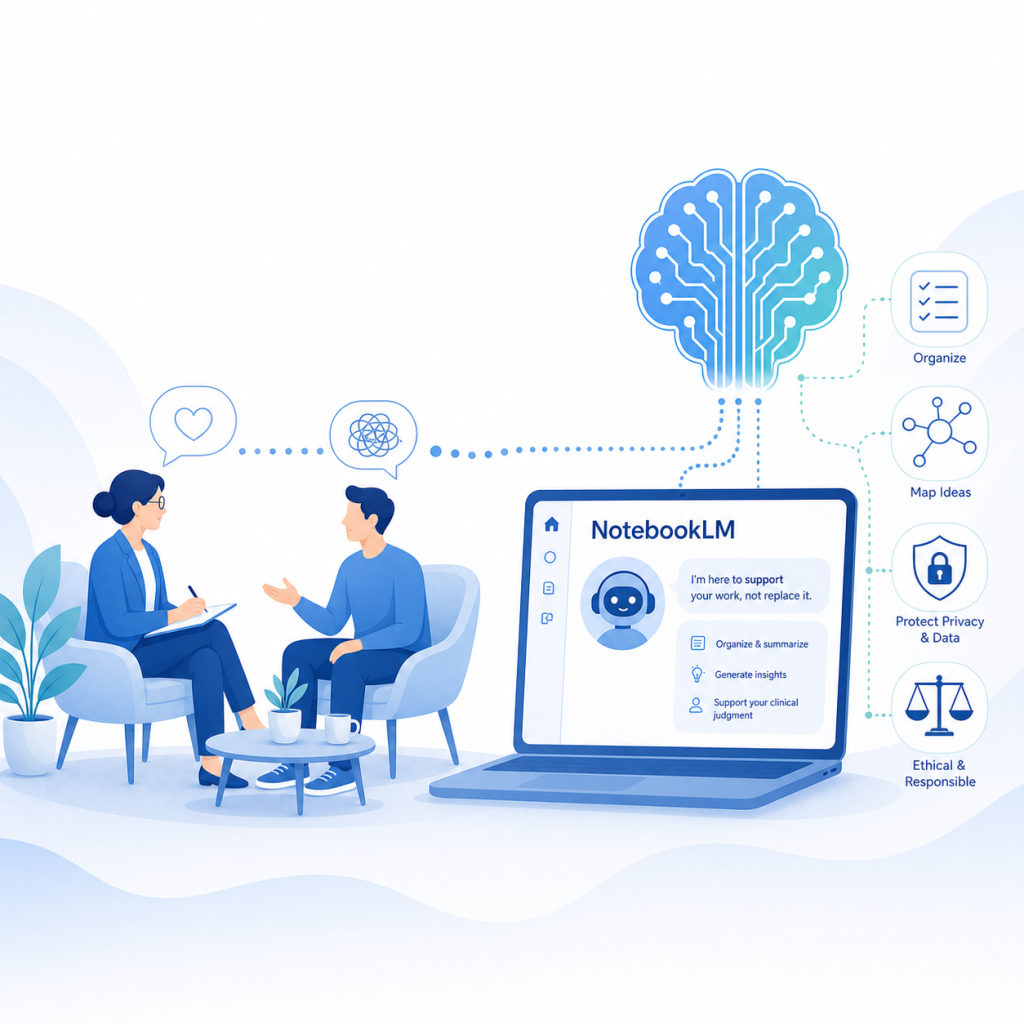
In therapy, much of our work happens between knowledge and presence. We are not only applying what we know, we are listening, observing, and adjusting in real time. Often, the challenge is not a lack of knowledge, but making sense of it in a way that fits the person in front of us. As MedGPT expands across Europe, many therapists are beginning to wonder how a tool designed for medical use might support this process. MedGPT first gained attention in France, where it reached more than 200,000 users in a short time. It is now being introduced in several European countries, including Germany, Italy, Spain, Portugal, Belgium, the United Kingdom, Ireland, the Netherlands, Poland, and Switzerland. The rollout starts with smaller groups of users in each country, allowing the system to adapt to different healthcare systems, languages, and clinical cultures. This gradual approach is important, because clinical practice is never one-size-fits-all. Although MedGPT was developed for physicians, it can still be meaningful for therapists. Our work often involves connecting physical, psychological, and social aspects of a person’s experience. We move between different models and perspectives, sometimes within a single session. In this context, a tool that helps organize and revisit these layers can support our thinking without replacing it. When we explored MedGPT, what stood out was not that it provided perfect answers, but that it helped structure reflection. For example, when considering a patient with chronic pain and fear of movement, the system brought together different contributing factors, such as physical sensitization, beliefs about pain, and avoidance behaviors, in a clear and organized way. It did not make decisions for us, but it helped us slow down and see connections more easily. In everyday practice, this kind of support can take simple forms. MedGPT can help rephrase complex information into clearer language for patients, summarize research when time is limited, or assist in organizing clinical notes. It can also support preparation for communication with other healthcare professionals. Used in this way, it becomes less of an authority and more of a thinking partner. At the same time, therapy remains deeply human. Our decisions are guided not only by knowledge, but by experience, intuition, and the relationship we build with each patient. No system can fully capture these elements. This makes it important to use AI carefully, protecting patient data, staying aware of possible biases, and remembering that responsibility for clinical decisions always remains with the therapist. There is also a broader question of how these tools influence our thinking over time. If used without reflection, they may lead us to rely too quickly on structured answers. But if used thoughtfully, they can help us become more aware of our reasoning, more curious, and more precise in our work. In the end, MedGPT’s expansion across Europe is not only about technology, but about how clinicians choose to engage with it. For therapists, it offers a way to support clinical thinking while staying grounded in the human side of care. Its value may lie less in the answers it gives, and more in how it helps us reflect, organize, and approach our work with greater clarity.