Author name: Dr. Rania Kassir

English

ChatGPT’s Latest Updates: Email Integration, Smarter Tools, and What It Means for Therapy Professions

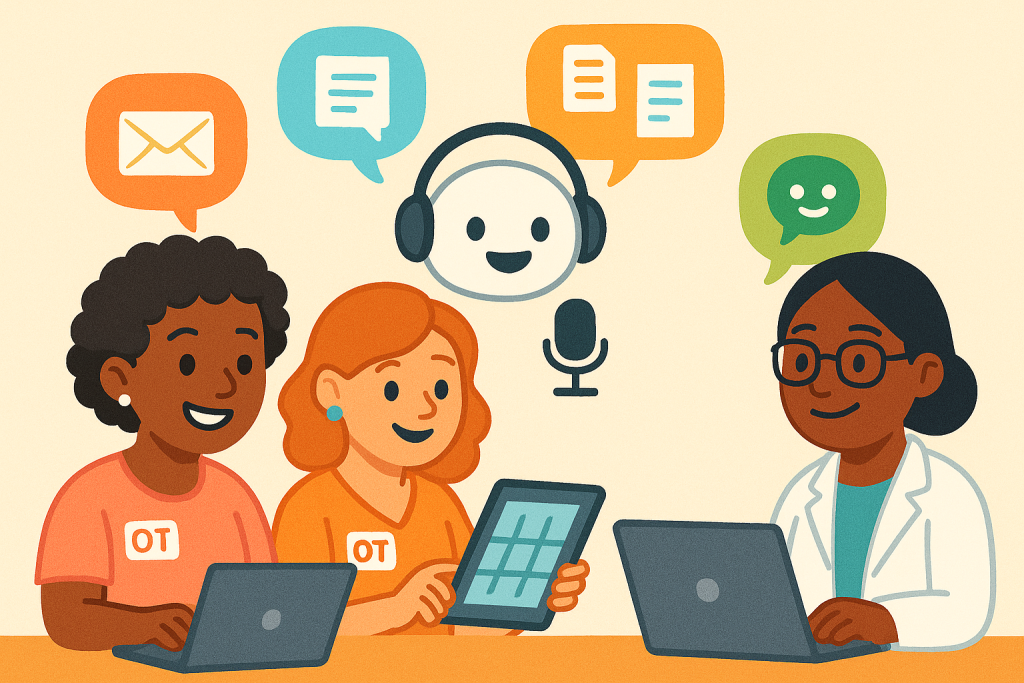
ChatGPT has evolved significantly in recent months. From a powerful language assistant, it’s now becoming a fully integrated tool for productivity and clinical support. The latest releases—including robust email link capabilities, enhanced voice interactions, and improved reasoning models—offer real benefits to professionals in speech-language pathology (SLP), occupational therapy (OT), and psychology. 1. Email Linking & Productivity Plugins One of the most impactful updates is the ability to link ChatGPT with your email and other applications using tools like Zapier and new productivity integrations. Through ChatGPT’s email plugins, you can: This streamlines administrative workflows—an important gain for SLPs, OTs, and psychologists who often juggle paperwork, session planning, and caregiver communication. According to Sendboard, tools like Zapier plug-ins enable automation directly within ChatGPT, without requiring coding skills 2. Advanced Reasoning with o3‑pro Released in June 2025, o3‑pro enhances ChatGPT’s reasoning power. It’s stronger than earlier models and can handle complex multi-step tasks such as generating therapy plans, interpreting assessment data, or crafting detailed psychoeducational handouts For therapists, that means greater reliability and precision when using ChatGPT for: While responses may take slightly longer, the improved reliability in domains like science, coding, and detailed planning is well worth it 3. Enhanced Voice Mode Recent updates to Advanced Voice Mode have made ChatGPT’s spoken responses more natural and expressive—complete with nuanced intonation and empathetic tones. It also supports live translation between languages, expanding accessibility for non-native speakers. This opens up exciting opportunities for clinicians: These voice interactions make ChatGPT feel more conversational and human—ideal for therapeutic training, client role play, or voice modeling. 4. Smarter Projects & Context Management ChatGPT’s Projects feature, updated in June, now supports “deep research,” file uploads, and conversation sharing This allows clinicians to maintain context over long-term work—such as ongoing case notes, client resources, and clinical research—in a single workspace. For therapists: Overall, this supports richer case continuity and collaborative workflows. How Therapists Are Using ChatGPT in Smarter Ways Beyond emails and worksheets, ChatGPT’s newest updates—like memory, Projects, and advanced voice—unlock more dynamic clinical uses. Here are 5 smart ways SLPs, OTs, and psychologists are using AI in their practice: 1. Realistic Simulation for SupervisionUse ChatGPT to role-play challenging scenarios—like a child resisting transitions or a parent coping with difficult news. Great for training interns in safe, reflective ways. 2. Culturally Adapted Therapy ContentQuickly adapt stories, scripts, or visuals to reflect your client’s culture, language, or religion—boosting engagement and inclusion, especially for multilingual or neurodivergent clients. 3. Internal Script CoachingHelp clients build better self-talk for anxiety, transitions, or emotional regulation. Save and reuse personalized coping scripts across sessions for reinforcement. 4. Environment & Behavior Pattern AnalysisUpload photos or logs and ask ChatGPT to flag sensory challenges, behavior triggers, or inconsistencies across therapy settings—combining your insights with scalable pattern support.5. Assistive Tech Guides for FamiliesBreak down AAC options or executive function tools into family-friendly, visual guides. This empowers parents and teens to make informed, confident choices

English

From Trend to Therapy: What the Latest AI Innovations on Instagram Mean for SLPs, OTs, and Psychologists

Artificial intelligence (AI) is dominating social media platforms like Instagram, where rapid-fire reels, demos, and viral posts showcase exciting new AI-powered tools and breakthroughs daily. For therapists—speech-language pathologists (SLPs), occupational therapists (OTs), and psychologists—these trends offer a glimpse into the future of clinical practice. But with the constant flood of AI hype, how do you separate fleeting fads from game-changing innovations? More importantly, how can you leverage these latest AI trends to enhance your therapeutic impact ethically and effectively? This article unpacks the most viral AI updates currently buzzing on Instagram, translating them into practical insights for therapy professionals. 1. AI-Powered Video and Movement Analysis: Next-Level Remote Assessment One of the most exciting AI trends gaining traction on Instagram is real-time video analysis tools that track facial expressions, speech articulation, and fine motor movements. These tools use machine learning to provide detailed, objective data on client performance, even from recorded or live video sessions. For SLPs and OTs, this means more precise assessment and progress monitoring without needing in-person observation every time. Imagine AI algorithms flagging subtle changes in a client’s articulation or motor coordination patterns that might otherwise go unnoticed. While these platforms are still emerging and need clinical validation, they represent a promising adjunct for teletherapy and hybrid models—especially valuable given the increase in remote service delivery post-pandemic. 2. Chatbots and Virtual Assistants That Understand Emotion and Context Instagram reels are buzzing with AI chatbots demonstrating near-human conversational flow and emotional sensitivity. Advanced natural language processing (NLP) models now recognize not just words but the tone and emotional intent behind them. For psychologists and SLPs working on social skills, motivation, or emotional regulation, these AI-driven conversational agents can serve as engaging, low-stakes practice partners outside sessions. They offer clients opportunities to rehearse challenging conversations or receive immediate, non-judgmental feedback on communication attempts. However, it’s critical to view these tools as supplementary aids rather than replacements for human connection and clinical judgment. 3. Creative Content Generation: Saving Time, Boosting Engagement Social media trends highlight AI tools that instantly generate text, visuals, and even audio content tailored to user needs. Therapists can harness this to create culturally adapted stories, visual schedules, relaxation scripts, or interactive worksheets in minutes. For example, AI can transform a generic narrative retell task into a culturally relevant story for diverse client populations or produce calming mindfulness scripts aligned with a client’s language and spiritual background. By automating these time-consuming tasks, therapists free up more time to focus on individualized clinical work and relationship building. 4. Ethical Considerations: What Social Media Often Misses While Instagram showcases the shiny potential of AI, it rarely highlights the ethical complexities. Many trending AI tools operate with limited transparency on data privacy, algorithmic bias, and inclusivity. Therapists must critically evaluate new AI products by asking: Navigating these concerns ensures AI enhances care without inadvertently perpetuating inequities or privacy violations. 5. Staying Updated Without Overwhelm: Curate Your AI Learning With AI news flooding social media daily, it’s easy to feel overwhelmed or distracted by hype. To stay informed and clinically relevant: This intentional approach helps therapists keep pace with AI innovation without burnout or misinformation. Conlusion Instagram’s fast-moving AI trends reveal a dynamic future where therapy and technology increasingly intersect. By understanding and critically engaging with these viral updates, SLPs, OTs, and psychologists can adopt AI tools that truly enhance client care—balancing innovation with ethics and empathy. As AI evolves, therapists who blend technical curiosity with clinical wisdom will be best positioned to harness its full potential for meaningful, inclusive, and effective therapy.

English

From Policy to Practice: How Therapy Clinics Across Europe Are Implementing the EU AI Act

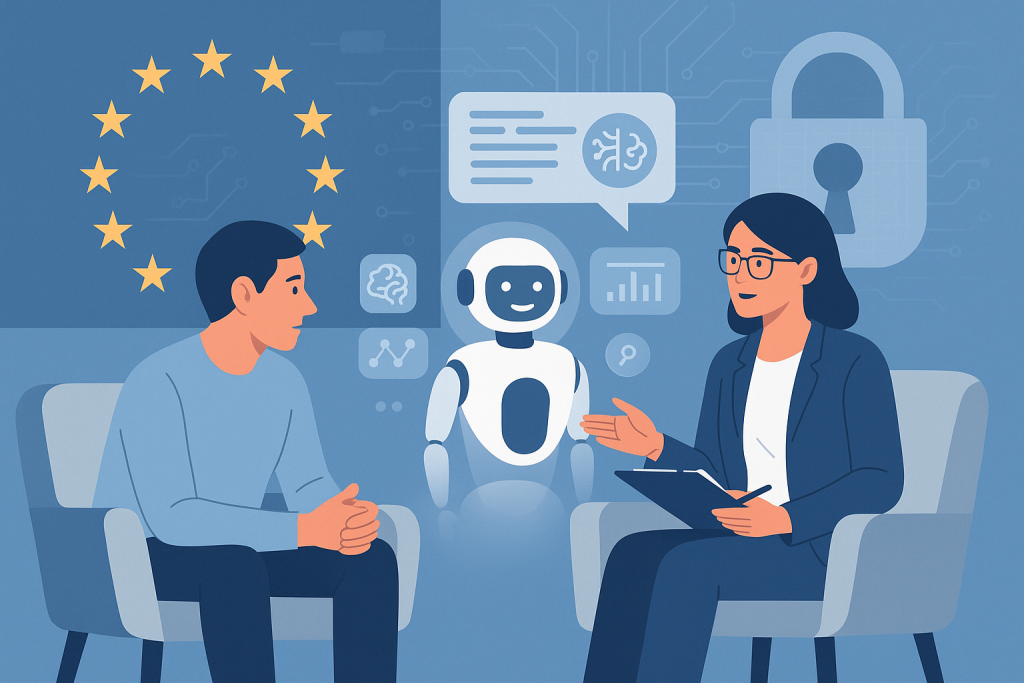
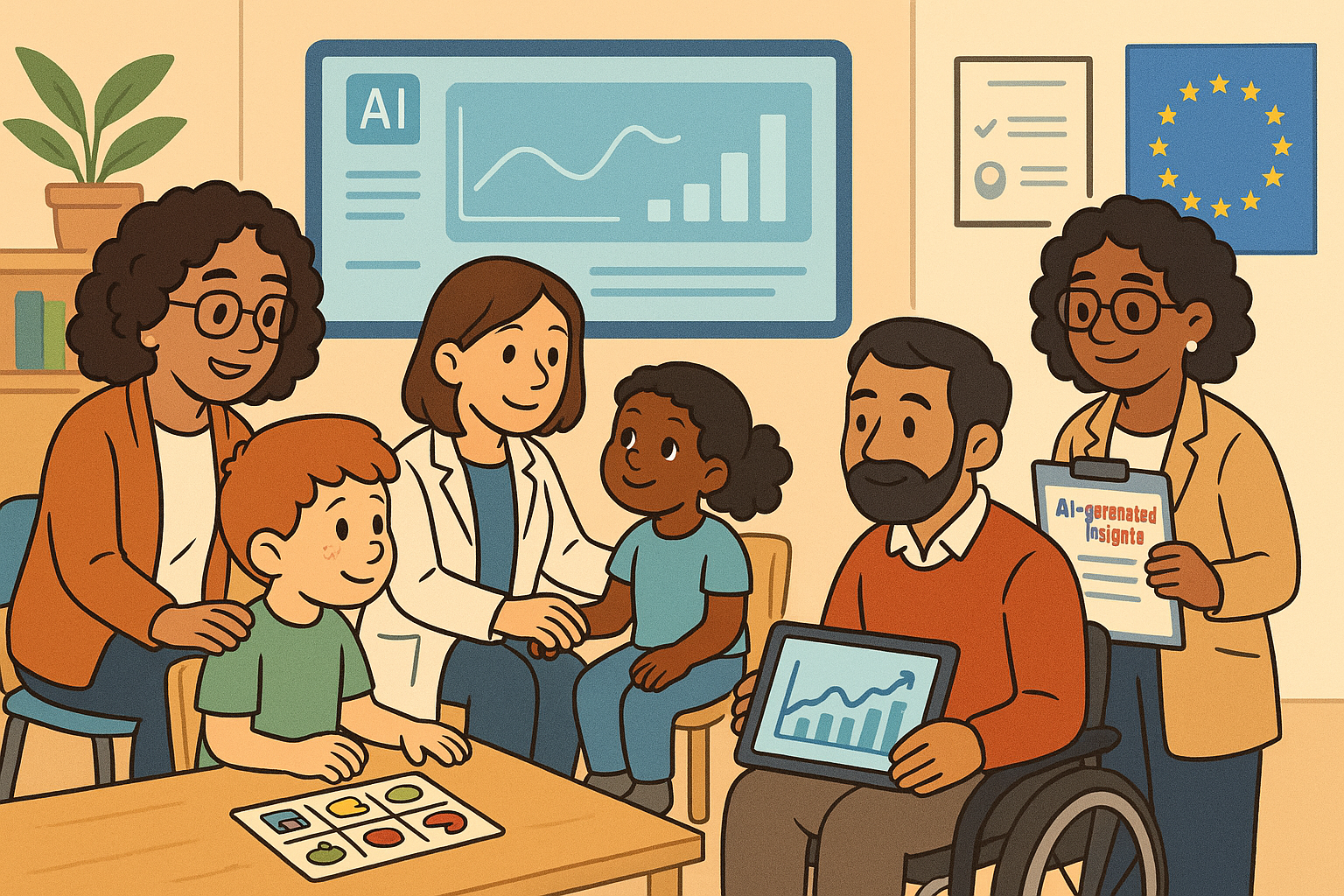
The EU Artificial Intelligence Act (Regulation 2024/1689), passed in June 2024, is already reshaping how AI is used in therapy. While the legislation outlines clear rules for transparency, risk classification, data governance, and human oversight, the real test lies in how clinics across Europe are putting these principles into action. Clinicians—especially those working in neurodevelopmental, rehabilitative, and mental health services—are asking a vital question: How do we comply with new AI regulations while preserving the human-centered nature of therapy? Translating Regulation Into Clinical Reality Across Europe, clinics are moving from high-level compliance to day-to-day operational changes in how AI tools are selected, monitored, and disclosed. In Belgium, for instance, a pediatric neurorehabilitation center has adopted a formal internal review process. Before any AI-assisted tool is used with children, teams assess the system’s training data, analyze its outcomes across diverse populations, and require therapists to demonstrate understanding of the AI model’s functionality and limits. These steps go beyond mere legal checklists. Under the AI Act, many digital therapy tools—including those used for speech analysis, attention monitoring, or adaptive content delivery—fall into the “high-risk” category. This classification requires clinics to apply standards of robustness, explainability, and human oversight (European Union, 2024). As a result, some clinics now treat AI tools like they would Class II medical devices: requiring structured evaluation, documentation, and clinician sign-off before use. Training the Clinician, Not Just the Tool In Denmark, a national therapy center network has launched mandatory AI ethics workshops. These don’t aim to turn therapists into data scientists but to equip them with foundational AI literacy. Therapists learn to ask critical questions: This emphasis on reflective practice aligns with WHO recommendations (2024), which stress that clinicians—not algorithms—must remain the final decision-makers. AI can suggest, but it cannot interpret. A fluency tracker may flag increased pause time, but it’s the therapist who determines whether the change reflects anxiety, illness, or simply a noisy environment. Training also now includes simulated case studies. For instance, therapists might explore how two similar speech samples receive different AI scores and must trace the model’s reasoning—a process that builds their confidence in evaluating AI reliability and limitations (Schubert et al., 2025). Embedding Transparency Into Client Care Clinics in the Netherlands, France, and Germany are leading on transparency. Informed consent now includes plain-language disclosures when AI tools are involved. Families are told if AI contributes to scoring, tailoring interventions, or flagging areas of concern. This kind of transparency, especially in pediatric and disability services, builds trust and satisfies Article 52 of the Act: patients have the right to know when AI is influencing care (European Union, 2024). Some platforms are going further: In the Netherlands, a widely used SLP support app now includes pop-up explanations showing how progress scores are generated and interpreted. This allows families to discuss uncertainties with therapists and contribute to decisions, rather than passively accepting algorithmic output. Addressing Access and Digital Equity While AI tools can optimize therapy, they may also widen the digital divide. In response, clinics in Poland, Slovakia, and Hungary are piloting hybrid care models—combining traditional therapy with AI-supported modules that require minimal hardware or bandwidth. These systems use offline-first design, printable practice modules, or text-based feedback to serve rural or low-resource areas. Furthermore, multilingual and cross-cultural validity is becoming a focus. As Pérez and Cheung (2025) point out, many existing AI tools have poor generalization beyond English or neurotypical data. SLPs and OTs across Europe are beginning to collaborate with developers to improve training datasets, ensuring tools work equitably across languages, dialects, and developmental profiles. Accountability and Oversight in Action Traceability—a core principle of the EU AI Act—is being operationalized via updated clinical documentation. In a multidisciplinary clinic in Munich, therapists now log every AI-assisted decision, whether in assessment, goal-setting, or therapy delivery. This includes: These records serve not only legal protection but also longitudinal quality review. For instance, if an AI tool routinely flags phonological issues in bilingual children where clinicians find none, the system may require retraining or discontinuation. As Topol (2024) emphasizes, human oversight is not a safeguard—it’s a necessity. Emerging Lessons from Early Implementation From these clinic-led efforts, several themes are emerging: AI as a Partner, Not a Replacement The EU AI Act is more than a regulatory hurdle—it’s a catalyst for ethical, inclusive innovation. By mandating transparency, clinician oversight, and data accountability, it challenges the therapy field to move slowly and wisely, even amid rapid technological change. European clinicians are not just adapting to AI—they are shaping it. By speaking up about equity gaps, demanding better training data, and insisting on tools that reflect clinical nuance, therapists are reclaiming their role as co-creators, not passive users. The future of AI in therapy will not be about automation—it will be about augmentation, grounded in clinical judgment and compassionate care. Coming Next How clinics are designing therapist-led systems to evaluate and audit AI tools—without overwhelming paperwork or technical complexity. To find out more join our AI webinars for therapists! go to Courses to find out more details! References

English

From Theory to Therapy: Clinicians Are Already Using AI—Without Losing the Human Touch

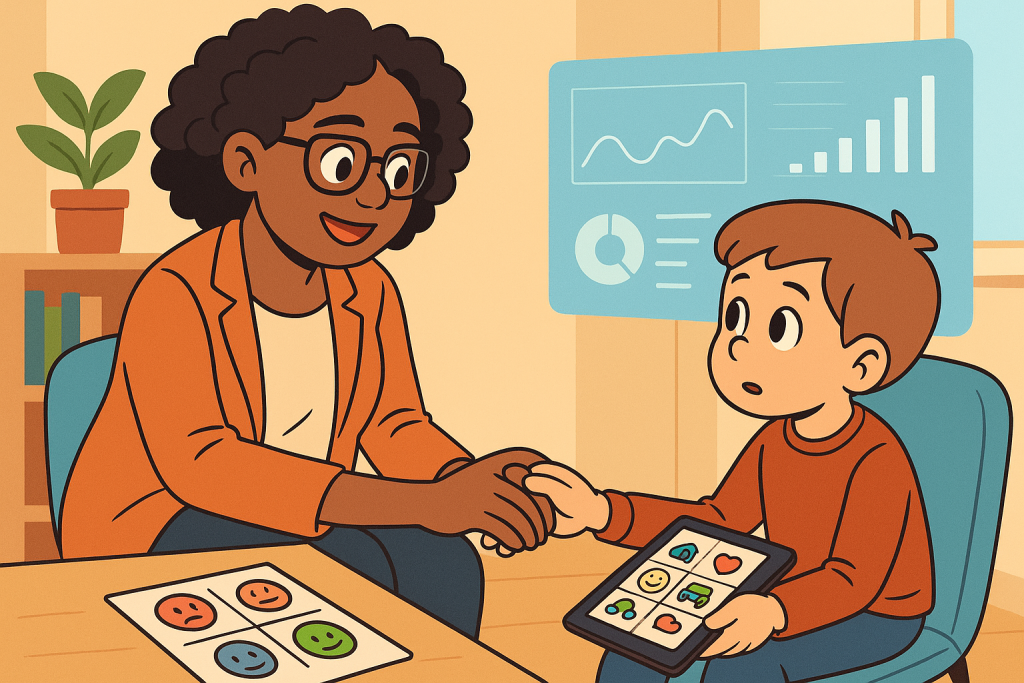
AI in Clinical Care—Already Here, Already Changing Practice Artificial Intelligence is no longer theoretical. It’s embedded in our therapy rooms, electronic records, and clinical tools. From speech-language pathology to neuropsychology, AI is reshaping how we assess, document, and intervene. The question is no longer whether therapists will use AI—but how they’re doing so already, and how to do it responsibly without compromising therapeutic presence or judgment. As highlighted in our previous issue, AI is influencing not only our tools, but our decisions. Many clinicians now use AI-supported platforms—sometimes unknowingly—raising important questions about transparency, ethics, and outcomes. Schubert et al. (2025) remind us that moving from passive use to informed application requires structured education. Knowing how AI works isn’t enough; we need to understand how to reason with it, critique it, and lead its ethical use. Where AI Is Already Supporting Therapy In real-world practice, AI is already making a difference: Jha and Topol (2024) note that such tools are improving efficiency in fields reliant on pattern recognition. AI can surface meaningful shifts, propose next steps, and adapt tasks in real time. But it cannot make clinical decisions. An algorithm may detect a phonological pattern or attentional lapse. Yet the therapist must decide: Is this clinically relevant? Is it consistent with the client’s goals, history, or needs? AI can suggest. The therapist must interpret. Why Clinical Judgment Still Leads AI handles large data sets—but it cannot read between the lines. It can’t recognize when a data point reflects fatigue, emotional strain, cultural difference, or an artifact. Clinical work is not just about data. It is about human context, developmental history, motivation, and values. AI cannot weigh competing goals or make value-based decisions. As Schubert and colleagues (2025) propose, responsible AI use develops across three levels: This framework positions clinicians as decision-makers—not passive tool users, but ethical leaders. Personalization Without Losing the Personal AI can make therapy more adaptive. Some apps modify pacing or feedback in real time—slowing exercises during stuttering episodes, or increasing visual prompts for distracted learners. These features enhance responsiveness. But adaptation alone isn’t therapy. It becomes meaningful only when interpreted and guided by a clinician. Therapists remain essential in deciding whether a pattern is significant, whether a tool supports or distracts from the goal, and how to communicate these decisions to clients and families. As Topol (2024) states, AI should inform—not replace—clinical reasoning. Will AI Replace Therapists? Not Likely. Concerns about AI replacing clinicians are understandable—but not supported by current evidence. The World Health Organization (2024) affirms that best outcomes occur when clinicians retain authority and AI acts as a support. AI enhances—not diminishes—the role of skilled professionals. Clinicians with AI literacy are better equipped to: By engaging with AI critically and ethically, therapists remain stewards of care—not spectators to technological change. AI Engagement Doesn’t Require Coding—It Requires Questions You don’t need programming skills to use AI well. But you do need to ask critical questions: Functional AI literacy includes understanding key concepts like algorithmic bias, training data, and model reliability. It also involves separating evidence-based innovation from marketing hype. As WHO (2024) reminds us: clinicians are responsible for the tools they choose, even when the AI is invisible. Coming Next: Evaluating AI Tools Before You Use Them In our next article, we’ll explore how to critically evaluate an AI product before introducing it to clients. With new technologies entering the field monthly, we must remain discerning. We’ll cover: AI can’t replace what makes therapy powerful—but when used well, it can enhance connection, clarity, and compassion. To find out more join our AI webinars for therapists! go to Courses to find out more details! References Jha, S., & Topol, E. J. (2024). Adapting clinical practice to artificial intelligence: Opportunities, challenges, and ethical considerations. The Lancet Digital Health, 6(3), e175–e183. https://doi.org/10.1016/S2589-7500(24)00020-9Schubert, T., Oosterlinck, T., Stevens, R. D., Maxwell, P. H., & van der Schaar, M. (2025). AI education for clinicians. eClinicalMedicine, 79, 102968. https://doi.org/10.1016/j.eclinm.2024.102968World Health Organization. (2024). Ethics and governance of artificial intelligence for health: Guidance and tools. https://www.who.int/publications/i/item/9789240077925

English

Therapy in the Age of AI: Putting the EU AI Act 2024 into Practice

Under the Act, many AI systems used in therapy fall into the high-risk category. This classification demands that these tools meet stringent standards including:• Robust, diverse, and accurate data governance to minimize bias• Transparency so therapists can understand how AI tools generate recommendations• Human oversight to ensure therapists retain full responsibility for clinical judgment• Accountability and auditability, allowing systems to be reviewed and challenged as neededThese requirements safeguard patient welfare and help maintain trust in AI-assisted therapy. What Therapists Need to Ask Before Using AI ToolsBefore integrating any AI-supported tool into your practice, ask yourself critical questions: Is this tool approved under the EU AI Act or local regulations? What kind of data does it use, and where is it stored? Does the algorithm reflect diverse populations? Can you clearly understand and explain how it makes decisions? If the answers are unclear or unsatisfactory, it may be unwise or even unsafe to use that tool in clinical settings. The Irreplaceable Human Element in TherapyDespite the technical advances AI offers, it can never replace the deeply human elements of therapy. Empathy, cultural sensitivity, ethical reasoning, and clinical intuition remain irreplaceable skills that only therapists bring. AI is a powerful assistant—but therapists must continue to interpret AI outputs within the broader context of the client’s needs, ensuring all interventions remain person-centered and ethically grounded. Clear communication with clients about how AI tools are used is also essential to maintain transparency and trust. Collaboration and Digital Equity: Shaping the FutureThe summit highlighted the importance of collaboration between therapists and AI developers. Practitioners provide invaluable insights into real-world challenges and client diversity, helping guide innovation toward tools that are culturally competent, accessible, and effective. For example, speech-language therapists working with multilingual populations can advocate for AI systems that better handle linguistic diversity—a known limitation of many current models.Digital equity is another crucial aspect emphasized during the summit. Many clients face barriers to accessing AI-enhanced therapy due to age, socioeconomic status, disability, or geographic location. Ethical practice demands that therapists:• Offer alternatives for clients without access to AI tools• Educate clients on how to safely and effectively use digital resources• Consider hybrid models combining traditional and AI-supported therapyEnsuring no one is left behind helps make the benefits of AI truly inclusive. Key Updates from the 2025 EU AI SummitIn addition to these points, the 2025 EU AI Summit brought several key updates to light:• AI tools must undergo continuous auditing and improvements to address new risks and biases• Patients now have strengthened rights to be informed when AI plays a role in their care decisions• EU member states are working toward greater regulatory alignment to create a consistent framework across countries• A major focus on “explainable AI” aims to prevent opaque “black-box” algorithms from undermining clinical transparency Looking Forward: AI as a Partner in Ethical TherapyThe EU AI Act and the latest summit remind us that AI should augment therapists’ skills—not replace them. The future of therapy lies in balancing innovative tools with human judgment, ethical integrity, and cultural awareness. As therapists, staying informed about AI’s evolving landscape, critically evaluating tools before adoption, and actively engaging in their development allows us to lead the way in shaping ethical, person-centered AI care. Coming next: A closer look at how therapy clinics across Europe are implementing the EU AI Act in their daily practices—and the lessons we can all learn from their experiences.European Union. (2024). Regulation (EU) 2024/1689 of the European Parliament and of the Council of 13 June 2024 laying down harmonised rules on artificial intelligence and amending certain Union legislative acts (Artificial Intelligence Act). Official Journal of the European Union, L 168, 1–158. https://eur-lex.europa.eu/eli/reg/2024/1689/oj

Shopping Cart