
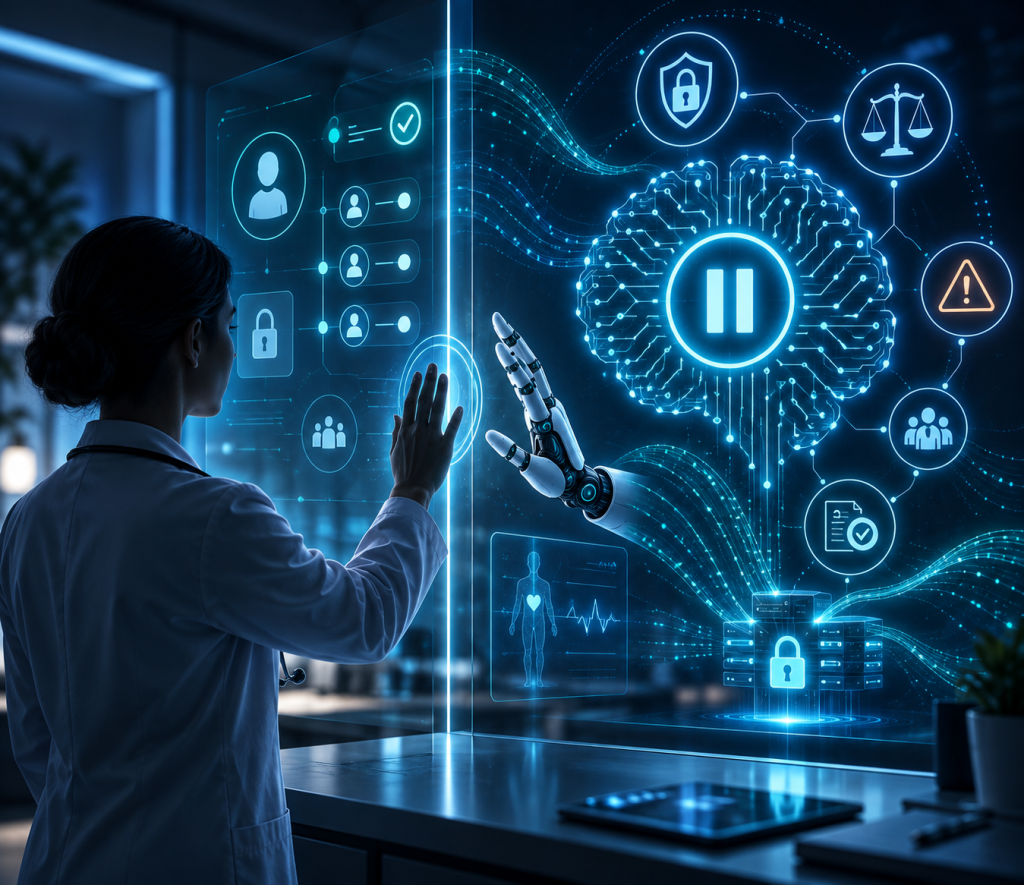
This week, several major AI leaders raised the same concern. Dario Amodei of Anthropic warned that AI is developing faster than expected. Sam Altman of OpenAI and Elon Musk of xAI supported his message. Microsoft CEO Satya Nadella also said that superintelligence, AI that could become better than humans at almost everything, should not be developed without human control. King Charles is also bringing leaders from Nvidia, Google DeepMind, OpenAI, and Anthropic together to discuss AI safety.
As therapists, we find this development concerning because the warning is coming from the people building these systems. Superintelligence would not be limited to playing chess or writing computer code. It could potentially make decisions, create information, and influence human behaviour at a level beyond human understanding. A system this powerful could bring important benefits, but it could also cause serious harm if it is poorly controlled.
Popular films such as 2001: A Space Odyssey and The Terminator often present AI as dangerous. These stories are exaggerated, but they raise a real question: what happens when technology becomes more powerful than the people using it? The main concern is not necessarily that AI will become a “killer robot.” The deeper concern is that people may lose control over systems they do not fully understand.
For therapists, this question connects directly to human behaviour and mental health. AI already influences how people learn, communicate, work, and make decisions. Some individuals may trust AI more than professionals, while others may become emotionally dependent on AI systems. These changes could affect relationships, self-confidence, attention, decision-making, and social development.
AI can be helpful in therapy and rehabilitation. It may support documentation, provide educational material, assist with communication, or help professionals organise information. However, it can also give incorrect answers, misunderstand emotions, or reflect bias in its training data. A response that sounds caring and professional may still be clinically unsafe.
A therapist understands the patient’s history, emotions, culture, relationships, and nonverbal communication. AI does not have human experience or professional responsibility. It cannot fully understand the meaning behind a patient’s silence, fear, resistance, or personal story.
The phrase “slow down” does not necessarily mean stopping all AI development. It may mean testing systems more carefully, studying their risks, protecting private data, and creating clear limits before allowing AI to make important decisions.
In clinical practice, using AI is similar to introducing a new treatment: professionals need evidence, safety monitoring, and careful judgment before using it widely. During this period of rapid development, we, as healthcare professionals, also have an important responsibility. We need to guide how AI is integrated into our practice, understand its limitations, and consider its ethical consequences. This does not mean refusing to use AI; it means using it wisely, carefully, and with enough awareness to protect patients and maintain professional standards.
The important question is whether these public warnings will lead to real changes. Will AI companies change their plans, delay risky systems, and create stronger safety rules? Or will they speak responsibly in public while continuing to compete privately? Words are valuable, but genuine responsibility must be shown through transparent decisions and measurable limits.
As therapists, researchers, and members of society, we are all facing the same question: How far should AI go? AI may improve healthcare and human life, but progress should not be measured only by what technology can do. It should also be measured by whether it protects human dignity, safety, relationships, and professional accountability.