Anglais

Anglais

OpenAI-S 2028 Vision : L'augmentation des chercheurs en IA pleinement autonomes

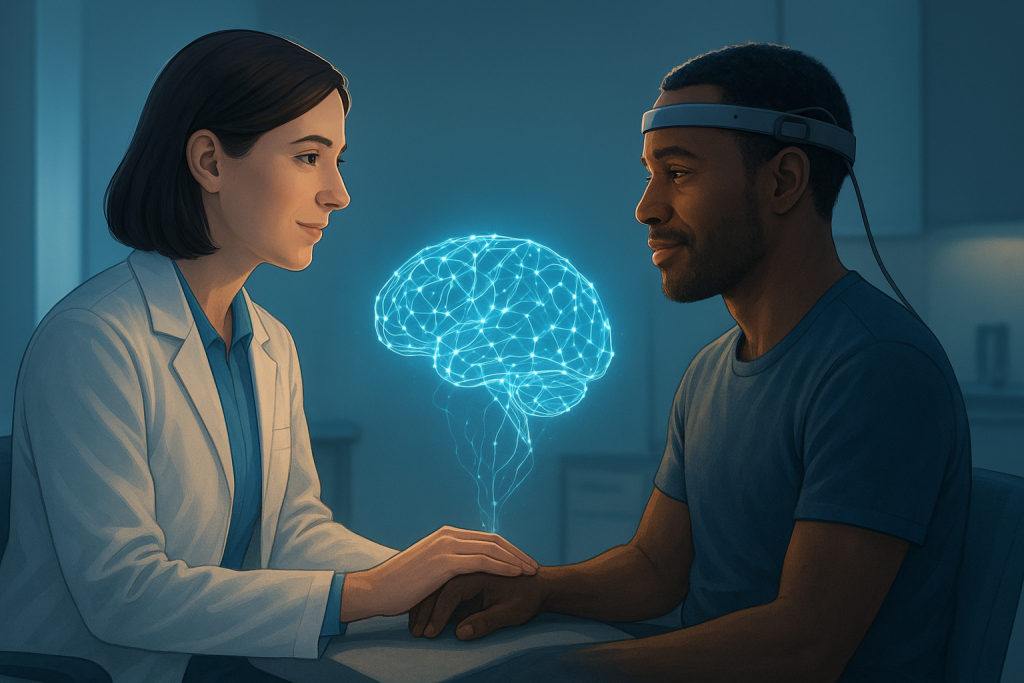
The pace of artificial intelligence advancement has been staggering, but OpenAI’s latest announcement marks a turning point that could redefine scientific discovery itself. By 2028, the company aims to develop fully autonomous AI researchers—systems capable of independently conceiving, executing, and refining entire scientific studies without human intervention. This isn’t merely an evolution of existing tools; it represents a fundamental shift in how knowledge is generated, one that promises to accelerate breakthroughs in fields ranging from neuroscience to education while forcing us to confront profound questions about the nature of research, authorship, and human expertise. The implications for scientists, clinicians, and educators are immense. Imagine an AI that doesn’t just assist with data analysis but actively designs experiments based on gaps in current literature, adjusts methodologies in real-time as new evidence emerges, and publishes findings that push entire fields forward. For researchers drowning in the ever-expanding sea of academic papers, this could mean identifying meaningful patterns in days rather than years. Therapists might gain access to personalized intervention strategies derived from millions of case studies, while special educators could receive AI-generated instructional approaches tailored to individual learning profiles. Yet with these possibilities comes an urgent need to consider: How do we ensure these systems serve human needs rather than commercial interests? What happens when AI makes discoveries we can’t fully explain? And how do we maintain ethical standards when the researcher is an algorithm? OpenAI’s roadmap to this future unfolds in deliberate stages, with the first major milestone arriving in 2026. By then, the company expects to deploy AI systems functioning as research interns—tools sophisticated enough to synthesize existing literature, propose testable hypotheses, and even draft experimental protocols with minimal human oversight. This intermediate step is crucial, as it allows the scientific community to adapt to AI collaboration before full autonomy becomes reality. The transition will require more than just technological advancement; it demands a cultural shift in how we view research. Peer review processes may need to evolve to accommodate AI-generated studies. Funding agencies might prioritize projects that leverage these tools effectively. And perhaps most importantly, researchers themselves will need to develop new skills—not just in using AI, but in critically evaluating its outputs, understanding its limitations, and ensuring its applications align with ethical principles. The potential benefits are undeniable. In psychology, an autonomous AI researcher could analyze decades of therapy outcome data to identify which interventions work best for specific demographics, leading to more effective treatments. In special education, it might design and test personalized learning strategies for students with unique cognitive profiles, offering educators evidence-based approaches they previously lacked. Even in fundamental science, AI could accelerate the pace of discovery by running thousands of virtual experiments in the time it takes a human lab to complete one. Yet these advantages come with significant risks. Without careful oversight, AI systems could perpetuate biases present in existing data, overlook nuanced human factors that don’t fit neat statistical patterns, or even generate findings that appear valid but lack real-world applicability. The challenge, then, isn’t just building these systems—but building them responsibly. As we stand on the brink of this new era, the scientific community faces a critical choice. We can approach this transition reactively, waiting to address problems as they arise, or we can take a proactive stance, establishing guidelines, ethical frameworks, and validation processes now. The latter approach requires collaboration across disciplines—computer scientists working with ethicists, clinicians partnering with AI developers, and educators helping shape how these tools integrate into real-world practice. It also demands public engagement, as the implications extend far beyond academia. When AI begins making discoveries that affect healthcare, education, and policy, who decides how those findings are used? The answers to these questions will determine whether this technological leap empowers humanity or leaves us struggling to keep up with machines that outpace our understanding. Ultimately, the rise of autonomous AI researchers isn’t just about faster science—it’s about redefining what research means in an age where human and machine intelligence intertwine. The goal shouldn’t be to replace human researchers, but to create a synergy where AI handles the heavy lifting of data and computation while humans bring creativity, ethical judgment, and real-world insight. If we navigate this transition thoughtfully, we could unlock a new golden age of discovery—one where the most pressing questions in psychology, education, and medicine find answers at an unprecedented pace. But if we fail to prepare, we risk creating a system where the pursuit of knowledge outpaces our ability to use it wisely. The clock is ticking; 2028 is closer than it seems, and the time to shape this future is now.

Anglais

L'étape 2026 : les stagiaires en recherche sur l'IA et le visage changeant de la collaboration scientifique

The scientific community stands at the threshold of a transformative shift. By September 2026, OpenAI plans to introduce AI systems capable of functioning as research interns—tools that go beyond simple data analysis to actively assist in literature synthesis, hypothesis generation, and experimental design. This development marks more than just a technological upgrade; it represents the first step toward a future where artificial intelligence becomes an integral partner in the research process. For psychologists, neuroscientists, and educators, this shift could mean faster insights, more efficient studies, and unprecedented opportunities for discovery—but it also demands a fundamental rethinking of how we conduct, validate, and apply scientific knowledge. The concept of an AI research intern might sound abstract, but its practical applications are both immediate and profound. Consider a clinical psychologist investigating new therapies for anxiety disorders. Today, the process begins with months of literature review, sifting through hundreds of studies to identify gaps and opportunities. An AI intern could accomplish this in hours, not only summarizing existing research but highlighting unexplored connections—perhaps noticing that certain demographic groups respond differently to mindfulness-based interventions, or that combination therapies show promise in understudied populations. From there, the AI might propose specific hypotheses (“Would adding a social skills component improve outcomes for adolescents with comorbid anxiety and autism?”) and even draft preliminary study designs, complete with sample size calculations and methodological considerations. For researchers accustomed to the slow, labor-intensive nature of academic work, this level of support could dramatically accelerate the pace of discovery, allowing them to focus on the creative and interpretive aspects of their work rather than the mechanical. Yet the introduction of AI interns isn’t just about efficiency—it’s about changing the very nature of research collaboration. Traditional scientific work relies on human intuition, serendipitous connections, and deep domain expertise, qualities that AI currently lacks. The most effective use of these tools will likely emerge from a hybrid approach, where AI handles the repetitive and data-intensive tasks while human researchers provide contextual understanding, ethical oversight, and creative problem-solving. For instance, an AI might identify a statistical correlation between early childhood screen time and later attention difficulties, but it would take a developmental psychologist to interpret whether this reflects causation, confounding variables, or cultural biases in the data. Similarly, in special education research, an AI could analyze vast datasets on reading interventions, but an experienced educator would need to determine how those findings apply to individual students with complex, multifaceted needs. The integration of AI interns also raises critical ethical and practical questions that the scientific community must address proactively. One of the most pressing concerns is validation. How do we ensure that AI-generated hypotheses are rigorous and reproducible rather than artifacts of flawed data or algorithmic bias? Peer review processes may need to adapt, incorporating AI literacy as a standard requirement for evaluators. Funding agencies might develop new criteria for AI-assisted research, ensuring that proposals leverage these tools responsibly. And journals will face the challenge of authorship and transparency—should AI systems be credited as contributors? If so, how do we distinguish between human-led and AI-driven insights? Another significant consideration is equity. While AI interns could democratize research by giving smaller labs and underfunded institutions access to powerful analytical tools, they could also exacerbate existing disparities if only well-resourced teams can afford the most advanced systems. OpenAI and similar organizations have a responsibility to prioritize accessibility, perhaps through open-source models or subsidized access for academic researchers. Similarly, there’s a risk that AI systems trained primarily on data from Western, educated, industrialized populations could overlook or misrepresent other groups, reinforcing biases in scientific literature. Addressing this requires diverse training datasets and inclusive development teams that understand the limitations of current AI models. Perhaps the most profound impact of AI research interns will be on the next generation of scientists. Graduate students and early-career researchers may find themselves in a radically different training environment, where traditional skills like manual literature reviews become less essential, while AI literacy, prompt engineering, and critical evaluation of machine-generated insights grow in importance. Academic programs will need to evolve, teaching students not just how to use AI tools, but how to think alongside them—when to trust their outputs, when to question them, and how to integrate them into a human-centered research process. This shift could also reshape mentorship, with senior researchers guiding juniors not just in experimental design, but in navigating the ethical and practical challenges of AI collaboration. As we approach the 2026 milestone, the scientific community would be wise to prepare rather than react. Researchers can begin by experimenting with current AI tools, such as literature synthesis platforms like Elicit or data analysis assistants like IBM Watson, to understand their strengths and limitations. Institutions should develop guidelines for AI-assisted research, addressing questions of authorship, validation, and bias mitigation. And perhaps most importantly, we must foster interdisciplinary dialogue, bringing together computer scientists, ethicists, domain experts, and policymakers to ensure that these tools are designed and deployed responsibly. The arrival of AI research interns isn’t just a technological advancement—it’s a cultural shift in how we pursue knowledge. If we embrace this change thoughtfully, it could liberate researchers from tedious tasks, accelerate meaningful discoveries, and open new frontiers in science. But if we fail to engage with its challenges, we risk creating a system where the speed of research outpaces its quality, where algorithmic biases go unchecked, and where human expertise is undervalued. The choice isn’t between rejecting AI or accepting it uncritically—it’s about shaping its role in a way that enhances, rather than diminishes, the pursuit of truth. The countdown to 2026 has begun; the time to prepare is now.

Anglais

L'IA pour l'inclusion: ce qui fonctionne maintenant pour les apprenants ayant des besoins éducatifs spéciaux

Every so often a research paper lands that feels less like a forecast and more like a field guide. The OECD’s new working paper on AI for students with special education needs is exactly that—practical, grounded, and refreshingly clear about what helps right now. If you care about brain‑friendly learning, this is good news: we’re moving beyond shiny demos into tools that lower barriers in everyday classrooms, therapy rooms, and homes. The paper’s central idea is simple enough to fit on a sticky note: inclusion first, AI second. Instead of asking “Where can we push AI?” the authors ask “Where do learners get stuck—and how can AI help remove that barrier?” That’s the spirit of Universal Design for Learning (UDL): give learners multiple ways to engage with content, multiple ways to understand it, and multiple ways to show what they know. AI becomes the backstage crew, not the headliner—preparing captions, adapting tasks, translating atypical speech, and nudging practice toward the just‑right challenge level. What does this look like in real life? Picture a student whose handwriting slows down everything. Traditional practice can feel like running in sand—lots of effort, little forward motion. Newer, tablet‑based coaches analyze the micro‑skills we rarely see with the naked eye: spacing, pressure, pen lifts, letter formation. Instead of a generic worksheet, the learner gets bite‑sized, game‑like tasks that target the exact stumbling blocks—then cycles back into real classroom writing. Teachers get clearer signals too, so support moves from hunches to evidence. Now think about dyslexia. Screening has always walked a tightrope: catch risk early without labeling too fast. The paper highlights tools that combine linguistics with machine learning to spot patterns and then deliver thousands of tiny, personalized exercises. The win isn’t just early identification; it’s keeping motivation intact. Short, achievable practice turns improvement into a string of small wins, which is catnip for the brain’s reward system. Some of the most heartening progress shows up in communication. If you’ve ever watched a child with atypical speech be understood—really understood—by a device that has learned their unique patterns, you know it feels like a door opening. Fine‑tuned models now translate highly individual speech into clear text or voice in real time. Families tell researchers that daily life gets lighter: ordering in a café, answering a classmate, telling a joke at the dinner table. The paper is careful not to overclaim, but the early signals are powerful. Social communication for autistic learners is getting smarter, too. On‑screen or embodied agents can practice turn‑taking, joint attention, and emotion reading in a space that’s structured and safe. Educators can tweak prompts and difficulty from a dashboard, so sessions flex with energy levels and goals. The magic here isn’t that a robot “teaches” better than a human; it’s that practice becomes repeatable, low‑stakes, and tuned to the moment—then transferred back to real interactions. Not all wins are flashy. Converting static PDFs into accessible, multimodal textbooks sounds mundane until you watch it unlock a unit for an entire class. Text‑to‑speech, captions, alt‑text, adjustable typography, and cleaner layouts benefit students with specific needs—and quietly help everyone else. This is UDL’s ripple effect: when we design for variability, the floor rises for all learners. Under the hood, personalization is getting sharper. Instead of treating “math” or “reading” as monoliths, systems map skills like networks. If multiplication is shaky because repeated addition never solidified, the system notices and steps back to build the missing bridge. Learners feel less frustration because the work finally matches their readiness. Teachers feel less guesswork because the analytics point to actionable scaffolds, not vague “struggling” labels. So where’s the catch? The paper is clear: many tools still need larger, longer, and more diverse trials. Evidence is growing, not finished. We should celebrate promising results—and still measure transfer to real tasks, not just in‑app scores. And we can’t ignore the guardrails. Special education involves some of the most sensitive data there is: voice, video, eye‑gaze, biometrics. Privacy can’t be an afterthought. Favor on‑device processing where possible, collect only what you need, keep it for as short a time as you can, and use consent language that families actually understand. Bias is another live wire. If speech models don’t learn from a wide range of accents, ages, and disability profiles, they’ll miss the very learners who need them most. And yes, there’s an environmental bill for heavy AI. Right‑sized models, greener compute, and sensible usage policies belong in the conversation. What should teachers and therapists do with all this tomorrow morning? Start with the barrier, not the tool. Identify the friction—copying from the board, decoding dense text, being understood—and pilot something that targets that friction for eight to twelve weeks. Keep it humble and measurable: a pre/post on intelligibility, words per minute, error patterns, or on‑task time tells a better story than “students liked it.” Treat multimodality as default, not accommodation: captions on, text‑to‑speech available, alternative response modes open. And capture whether gains show up in real classwork. If progress lives only inside an app, it’s not the progress you want. For school leaders, the paper reads like a procurement sanity check. Ask vendors for research summaries you can actually read, not just glossy claims. Demand accessibility as a feature, not an add‑on—screen reader support, captions, switch access. Check interoperability so your data doesn’t get stuck. Bake privacy into contracts: where data lives, how long it stays, how deletion works. Push for localization and equity—bilingual interfaces, dialect sensitivity, culturally relevant content—because a tool that isn’t understood won’t be used. And if a vendor can talk credibly about energy and efficiency, that’s a green flag. Bottom line: AI isn’t replacing the art of teaching or therapy. It’s removing friction so strengths surface sooner. It’s turning opaque struggles into visible, coachable micro‑skills. It’s helping voices be heard and ideas be expressed. If we keep learners and families at the center, measure what matters, and mind the guardrails, this isn’t hype—it’s momentum we can build on. Read the full OECD paper: https://www.oecd.org/content/dam/oecd/en/publications/reports/2025/09/leveraging-artificial-intelligence-to-support-students-with-special-education-needs_ebc80fc8/1e3dffa9-en.pdf

Anglais

Cliquez sur Moins, pensez plus: Comment Atlas change la journée

ChatGPT Atlas is the kind of upgrade you only appreciate after a single workday with it. Instead of juggling a separate ChatGPT tab, a dozen research pages, and that half‑written email, Atlas pulls the assistant into the browser itself so you can read, ask, draft, and even delegate steps without breaking focus. OpenAI introduced it on October 21, 2025, as a macOS browser available worldwide for Free, Plus, Pro, and Go users, with Agent mode in preview for Plus, Pro, and Business and admin‑enabled options for Enterprise and Edu. Windows, iOS, and Android are on the way, but the story starts here: a browser that understands the page you’re on and can help you act on it. If you’ve ever copied a paragraph into ChatGPT just to get a plainer explanation, you’ll like the Ask ChatGPT sidebar. It rides alongside whatever you’re viewing, so you can highlight a passage and ask for an explanation, a summary for families, or a quick draft to paste into your notes—without leaving the page. You can type or talk, and the conversation stays anchored to the page in view. For writing, Atlas adds an “Edit with ChatGPT” cursor directly in web text fields: select text, invoke the cursor, and request a revision or dictate new content in place. It feels less like consulting a tool and more like having a helpful colleague in the margin. Where things get interesting is Agent mode. When you switch it on, ChatGPT can take actions in your current browsing session: open tabs, navigate, click, and carry out multi‑step flows you describe. Planning a workshop? Ask it to gather venue options that match your accessibility checklist, compare prices and policies, and draft a short email to the top two. Wrangling admin tasks? Let it pre‑fill routine forms and stop for your review before submission. You set the guardrails—from preferred sources to required approval checkpoints—and you can even run the agent “logged out” to keep it away from signed‑in sites unless you explicitly allow access. It’s a natural hand‑off: you start the task, the agent continues, and it reports back in the panel as it goes. Because this is a browser, privacy and control matter more than features. Atlas ships with training opt‑outs by default: OpenAI does not use what you browse to train models unless you turn on “Include web browsing” in Data controls. Browser memories—the feature that lets ChatGPT remember high‑level facts and preferences from your recent pages—are strictly optional, viewable in Settings, and deletable; deleting your browsing history also removes associated browser memories. Business and Enterprise content is excluded from training, and admins can decide whether Browser memories are available at all. If you want quality signals to improve browsing and search but not training, Atlas separates that diagnostic toggle from the model‑training switch so you can keep one off and the other on. Setup is quick. Download the macOS app, sign in with your ChatGPT account, and import bookmarks, passwords, and history from Chrome so you don’t start from zero. You can make Atlas your default in one click, and there’s a small, time‑limited rate‑limit boost for new default‑browser users to smooth the transition. It runs on Apple silicon Macs with macOS 12 Monterey or later, which covers most modern school or clinic machines. For a brain‑friendly practice—whether you’re supporting learners, coaching adults, or coordinating therapy—Atlas changes the cadence of your day. Research no longer requires the swivel‑chair routine: open a guideline or policy page, ask the sidebar to extract the eligibility details or accommodations, and keep reading as it compiles what matters. When policies conflict, have it surface the differences and the exact language to discuss with your team. Drafting becomes lighter, too. Need a parent update in Arabic and English? Keep your school page open, ask Atlas to produce a two‑column explainer grounded in that page, and paste it into your newsletter or WhatsApp note. Because the chat sits beside the source, you’re less likely to lose context—and more likely to keep citations tidy. The benefits are practical in Qatar and across MENA, where bilingual communication and time‑to‑action often make or break a plan. Atlas respects your existing logins and runs locally on macOS, which means it adapts to your regional sites and Arabic/English workflows without new portals. Start small: use the sidebar for comprehension scaffolds during lessons, quick plain‑language summaries for families, or bilingual glossaries on the fly. When your team is comfortable, try Agent mode for repeatable tasks like collecting venue policies, drafting vendor comparisons, or preparing term‑start checklists—while keeping the agent in logged‑out mode if you don’t want it near signed‑in records. The point isn’t to automate judgment; it’s to offload the clicks so you can spend attention where it counts. Safety is a shared responsibility, and OpenAI is frank that agentic browsing carries risk. Atlas limits what the agent can do—it can’t run code in the browser, install extensions, or reach into your file system—and it pauses on certain sensitive sites. But the company also warns about prompt‑injection attacks hidden in webpages that could try to steer an agent off course. The practical takeaway for teams is simple: monitor agent runs, prefer logged‑out mode for anything sensitive, and use explicit approval checkpoints. As with any new tool, start on low‑stakes workflows, measure outcomes like minutes saved or error rates, and scale intentionally. Under the hood, Atlas also modernizes search and results. A new‑tab experience blends a chat answer with tabs for links, images, videos, and news, so you can go source‑first when you want to validate or dive deeper. That’s useful for educators and clinicians who need traceable sources for reports: ask for a synthesis, then flip to the links view to gather citations you can verify. And because it’s still a browser, your usual web apps, calendars, and SIS/EMR portals stay right where they are—Atlas just gives you a knowledgeable helper at elbow height. If you publish a newsletter like Happy Brain Training, Atlas earns its keep quickly.

Anglais

Contrôles parentaux et utilisation de l'IA chez les adolescents: ce que les éducateurs et les thérapeutes doivent savoir

L'intelligence artificielle est maintenant profondément tissée dans la vie numérique des adolescents, et les récents développements de Meta Platforms illustrent comment cela suscite à la fois excitation et inquiétude. En octobre 2025, Meta a annoncé de nouvelles fonctionnalités de contrôle parental conçues pour aborder la façon dont les adolescents interagissent avec les chatbots AI sur les plateformes AI Instagram, Messenger et Meta. Ces nouveaux paramètres permettront aux parents de désactiver les conversations individuelles avec des caractères AI, de bloquer entièrement des caractères AI spécifiques et d'obtenir des informations sur les sujets plus larges que leurs adolescents discutent avec l'IA. Pour les thérapeutes et les éducateurs spéciaux, ce type de changement a une pertinence directe. Les adolescents utilisent des chatbots AI non seulement comme des applications de nouveauté, mais comme compagnons quotidiens, confidents et partenaires conversationnels. Selon certaines recherches, plus de 70 % des adolescents ont utilisé des compagnons d'IA et plus de la moitié s'engagent régulièrement. Cela signifie que lorsque nous parlons de soutien social et émotionnel des adolescents, la dimension numérique fait de plus en plus partie du contexte. Pourquoi est-ce important ? Tout d'abord, si un adolescent est en train de former un modèle de travail à travers les défis, les soucis ou la communication sociale via un chatbot AI, cela soulève des questions importantes : quel genre de messages sont renforcés ? Ces facteurs augmentent-ils l'autonomie, réduisent-ils l'interaction entre les pairs ou les adultes ou renforcent-ils des modèles malsains d'isolement ou de dépendance? Par exemple, si un étudiant anxieux préfère des séances avec un chatbot à des discussions dirigées par des adultes, nous devons nous demander si cette substitution est utile, neutre ou potentiellement problématique. Deuxièmement, les éducateurs et les thérapeutes sont bien placés pour intervenir proacti

Anglais

L'IA inclusive dans l'éducation : une nouvelle frontière pour les thérapeutes et les éducateurs spéciaux

La promesse de l'intelligence artificielle dans le domaine de l'éducation s'est accrue rapidement, et un nouveau document de travail de l'Organisation de coopération et de développement économiques (OCDE) intitulé "Leveraging Artificial Intelligence to Support Students with Special Education Needs" fournit un aperçu réfléchi de la façon dont l'IA peut soutenir les apprenants—mais avec de grandes réserves. Le rapport fait valoir que les outils d'IA qui adaptent l'enseignement, génèrent des contenus accessibles et fournissent un soutien adapté aux apprenants individuels ont un potentiel réel en matière d'éducation spéciale, de thérapie et de classes inclusives. Par exemple, un système d'IA pourrait générer des passages de lecture simplifiés pour les étudiants atteints de dyslexie, créer des supports visuels ou des échafaudages pour les étudiants souffrant de retards linguistiques, ou adapter le rythme et le format pour les étudiants ayant des difficultés d'attention ou de traitement. Pour les thérapeutes et les éducateurs spéciaux, cela signifie des occasions d'innover. Au lieu de créer manuellement plusieurs versions d'un script de leçon ou de communication, l'IA générative peut vous soutenir en produisant rapidement du matériel varié et adapté. Un orthophoniste travaillant avec des enfants bilingues pourrait utiliser un outil d'IA pour produire des matériaux échafaudés dans toutes les langues; un ergothérapeute pourrait générer des instructions tactiles ou des supports interactifs qui correspondent au profil d'un étudiant. Toutefois, le rapport de l'OCDE souligne également que l'équité, l'accès et la conception centrée sur l'homme doivent accompagner ces possibilités. Les outils d'IA reposent souvent sur des données formées à l'intention des apprenants typiques, et non sur ceux qui ont des profils de communication ou des handicaps rares. Les écarts de représentation et les inégalités d'accès

Anglais

Echo-Teddy: Un robot social alimenté par LLM pour soutenir les étudiants autistes

L'une des frontières les plus prometteuses de l'IA et de l'éducation spéciale est le mélange de la robotique et des modèles linguistiques pour soutenir la communication sociale. Un projet récent, Echo-Teddy, pousse dans cet espace — et il offre des leçons, des possibilités et des mises en garde pour les thérapeutes, les éducateurs et les cliniciens travaillant avec des populations neurodivers. C'est quoi Echo-Teddy ? Echo-Teddy est un prototype de robot social alimenté par un grand modèle de langue (LLM), conçu spécifiquement pour soutenir les étudiants atteints de troubles du spectre autistique (TSA). Les développeurs l'ont construit pour fournir une interaction conversationnelle adaptée à l'âge, combinée avec des capacités simples de moteur ou de geste. Contrairement aux chatbots liés aux écrans, Echo-Teddy occupe l'espace physique, permettant aux apprenants de s'engager avec elle comme compagnon social en temps réel. Le système est construit sur une modeste plate-forme robotique (penser Raspberry Pi et actionneurs de base) et intègre la parole, les gestes et les impulsions conversationnelles dans sa forme initiale. Dans la phase initiale, les concepteurs ont travaillé avec des commentaires d'experts et des réflexions de développeurs pour préciser comment le robot interagit : personnaliser le dialogue, adapter les réponses et ajuster les invites pour s'aligner sur les besoins de l'apprenant. Ils ont privilégié la conception éthique et les interactions adaptées à l'âge, soulignant que le robot ne doit pas dépasser ou remplacer la connexion relationnelle humaine. Pourquoi Echo-Teddy compte pour les praticiens Echo-Teddy est à l'intersection de trois tendances que beaucoup observent dans votre domaine : Considérations clés et défis Aucune innovation n'est sans compromis. Lorsque vous envisagez la pertinence ou le déploiement futur d'Echo-Teddy, gardez

Anglais

Évaluation des chats d'IA dans les conseils de santé fondés sur des données probantes : une perspective 2025

À mesure que l'intelligence artificielle continue d'imprégner divers secteurs, son application dans les soins de santé a suscité une attention considérable. Une étude récente publiée dans Frontiers in Digital Health a évalué l'exactitude de plusieurs chatbots d'IA—ChatGPT-3.5, ChatGPT-4o, Microsoft Copilot, Google Gemini, Claude et Perplexité—en fournissant des conseils de santé fondés sur des données probantes, axés plus particulièrement sur la douleur radiculaire lombosacrale. Aperçu de l'étude L'étude comprenait la pose de neuf questions cliniques liées à la douleur radiculaire lombosacrale aux dernières versions des chatbots anti-IA susmentionnés. Ces questions ont été conçues en fonction des lignes directrices établies en matière de pratique clinique (GPC). Chaque réponse de chatbots a été évaluée pour assurer la cohérence, la fiabilité et l'alignement avec les recommandations du CPG. Le processus d'évaluation comprenait l'évaluation de la cohérence du texte, de la fiabilité intra- et inter-évaluateurs et du taux de correspondance avec les CPG. Principales constatations L'étude a également mis en évidence la variabilité de la cohérence interne des réponses générées par l'IA, allant de 26 % à 68 %. La fiabilité intra-rater était généralement élevée, les cotes variant de « presque parfaite » à « substantielle ». La fiabilité entre les taux a également montré une variabilité allant de « presque parfaite » à « modérée ». Conséquences pour les professionnels de la santé Les résultats soulignent la nécessité pour les professionnels de la santé de faire preuve de prudence lorsqu'ils envisagent des conseils de santé générés par l'IA. Bien que les chatbots AI puissent servir d'outils supplémentaires, ils ne devraient pas remplacer le jugement professionnel. La variabilité de l'exactitude et du respect des lignes directrices cliniques suggère que les recommandations générées par l'IA

Anglais

Pourquoi l'intégration de l'IA devient vitale pour chaque thérapeute et éducateur

Ces dernières années ont vu des discussions spéculatives sur l'IA dans les domaines de la santé et de l'éducation. Maintenant, avec les lancements récents, les documents académiques, les mises à jour de la plateforme, l'IA n'est pas optionnel — il devient une partie de la meilleure pratique. Que vous soyez orthophoniste, ergothérapeute, physiothérapeute, éducateur ou une combinaison de ces derniers, il est essentiel de comprendre ces développements. Laissez-nous explorer pourquoi l'intégration de l'IA n'est plus seulement intéressante, mais vitale — et comment les professionnels peuvent s'adapter. Principales tendances poussant l'IA vers le centre Ce que cela signifie pour différents rôles Rôle Implications de l'intégration de l'IA orthophonistes (SLP) Capable d'utiliser des outils d'IA comme UTI-LLM pour donner une rétroaction articulaire détaillée; des capteurs de gorge portables; des plateformes comme SpeechOn pour permettre aux clients de pratiquer plus souvent; possible réduction des tâches répétitives (suivi des progrès, affectations des clients). Thérapeutes physiques et professionnels Therapists AI motion capture aide à évaluer la posture / mouvement, la surveillance à distance; plates-formes comme l'exercice de guide Phoenix et donner des invites conversationnelles; réduit le désalignement dans la pratique à domicile; améliore la sécurité et la conformité. Éducateurs Les outils d'IA (Gemini, Microsoft Copilot, LogicBalls) permettent l'adaptation du contenu, la rétroaction en temps réel, l'apprentissage personnalisé; la possibilité d'identifier les élèves à risque plus tôt; la littératie en AI fait partie de l'enseignement; aide à réduire la surcharge d'enseignants. Administrateurs / directeurs de clinique Besoin de sélectionner et de valider les outils d'IA; assurer l'intégration avec les RME ou les systèmes de gestion scolaire; assister à la formation, à la conformité à la vie privée, à la sélection des outils accessibles. Défis et défis

Anglais

ChatGPT Pulse: Une nouvelle ère d'aide à l'IA pour les thérapeutes et les éducateurs

Artificial intelligence is evolving from being reactive to becoming anticipatory. The new ChatGPT Pulse feature takes this step forward by turning AI into a proactive assistant. Pulse works in the background, compiling updates overnight and presenting them as clear, visual cards each morning. Instead of wasting time filtering through countless emails, research feeds, or social media threads, professionals can start the day with a snapshot of what matters most in their field. For those working in speech therapy, occupational therapy, physical therapy, psychology, and education, this innovation offers a way to stay on top of rapid changes in research, tools, and policy without adding hours to an already full workload. Imagine opening your device in the morning and seeing: “New study on motor learning in stroke rehab,” “Trial results for an articulation feedback device,” or “Updates on inclusive classroom technology.” Pulse is designed to anticipate these needs and bring information directly to you. Beyond Updates: In-Chat Purchases for Real-World Practice Alongside Pulse, OpenAI is piloting a feature that could reshape professional workflows: in-chat purchasing. Traditionally, after identifying a new strategy or tool, a therapist or teacher would have to search online, compare products, and order them through third-party platforms. This can create delays between recognizing a need and addressing it. With in-chat purchases, that process becomes seamless. If you’re discussing sensory supports with ChatGPT, it could not only suggest tools like weighted vests or fidget kits but also give you the option to purchase them directly within the conversation. For physical therapists, this could mean adaptive bands or balance boards; for speech therapists, visual cue cards or AAC devices; for educators, classroom visuals or accessibility supports. This direct integration reduces barriers, turning ideas into action much more quickly. It also opens the door for recommending families or caregivers trusted resources without overwhelming them with too many choices. How These Features Support Practice The integration of Pulse and purchasing into ChatGPT has the potential to reshape the daily life of professionals across therapy and education. Some of the most promising benefits include: The Importance for Therapy & Education Practice Why do these updates matter now? The pace of change in therapy and education is faster than ever. New technologies, policy shifts, and intervention models emerge constantly, and professionals risk falling behind if they cannot keep up. Pulse acts as a filter, ensuring the most relevant and practical information rises to the top. Equally, the ability to act on that information immediately—by accessing or purchasing tools in-chat—closes a long-standing gap between knowledge and practice. Instead of hearing about a tool at a conference and waiting weeks to trial it, professionals can integrate new resources into sessions almost instantly. This rapid cycle of learn → apply → evaluate enhances practice and can improve outcomes. For therapists and educators working with vulnerable populations—children with special needs, stroke survivors, or individuals with learning differences—this immediacy can be transformative. It means quicker access to interventions, faster adaptation of strategies, and more personalized care. Cautions and Responsible Use Despite the promise, it’s vital to approach these features thoughtfully. Pulse curates content, but not everything it suggests will be clinically relevant or reliable. Professionals must continue exercising judgment and verifying evidence. Similarly, while in-chat purchases are convenient, critical evaluation of product quality, evidence base, and client appropriateness is still required. There are also broader considerations: Looking Ahead The introduction of ChatGPT Pulse and in-chat purchasing represents a new stage in how AI can support therapists, teachers, and health professionals. Instead of simply answering questions, AI is becoming a partner in staying informed, sourcing materials, and applying interventions quickly. This shift highlights a larger trend: the move toward integrated, proactive AI assistants that blend knowledge, tools, and actions in a single space. For those in therapy and education, engaging with these features early means shaping how they evolve—helping ensure they become useful, ethical, and empowering, rather than distracting or overwhelming. The future of practice will increasingly depend on tools that reduce burden, enhance access, and translate insights into action. ChatGPT Pulse offers an early glimpse into that future. 👉 Explore more about ChatGPT Pulse here:OpenAI Pulse announcement | TechRadar on Pulse | Tom’s Guide on in-chat shopping

Panier