
Recent reports suggest that OpenAI’s new AI system, Astra, may have solved several difficult mathematical problems. These solutions were checked by Lean, a computer program that verifies each step of a mathematical proof. This development raises an important question for therapists: if AI can solve problems that humans cannot, could it also make better decisions about diagnosis and treatment?
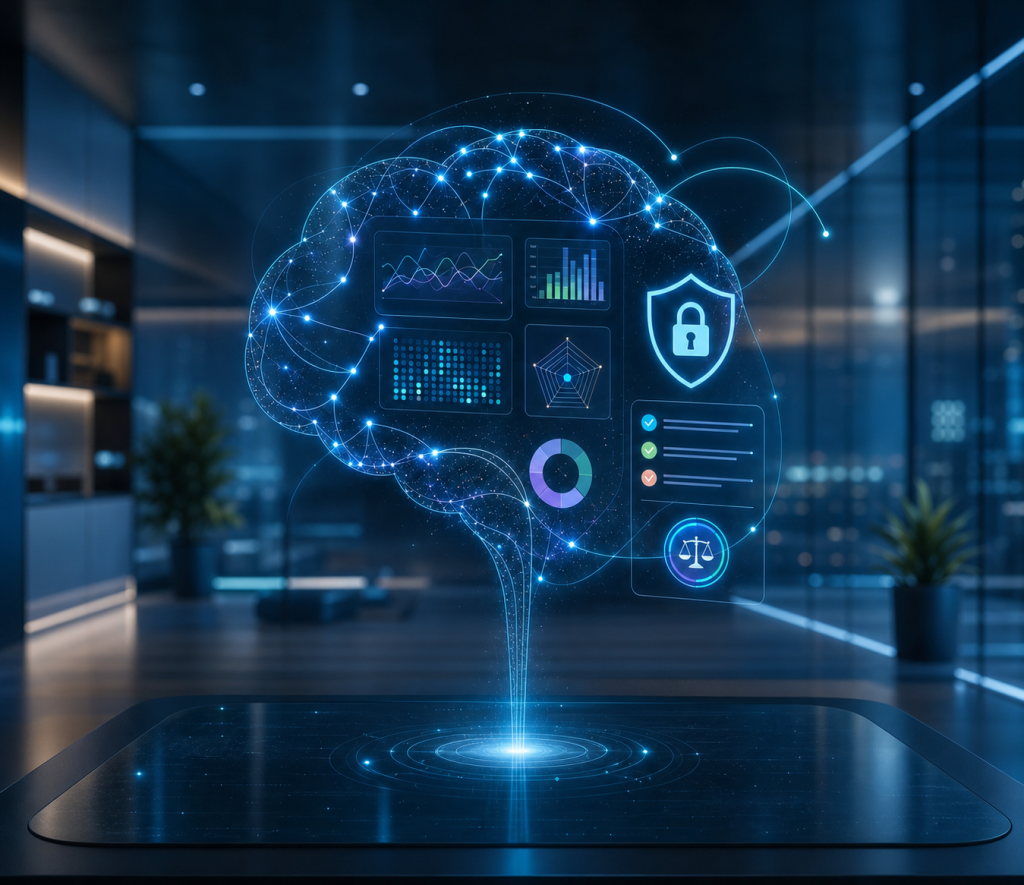
AI may become a useful support tool in health care. It can quickly examine large amounts of information, such as symptoms, research studies, treatment results, and patient records. In therapy, AI could help identify possible patterns, suggest questions for further assessment, or remind clinicians to consider conditions that may otherwise be missed. It may also help therapists plan more personalised interventions.
However, diagnosis in therapy is not only a technical or mathematical task. Clients are complex individuals. Their emotions and behaviours may be influenced by trauma, family relationships, culture, language, stress, physical health, disability, and social circumstances. Two people with similar symptoms may need completely different support. AI can identify patterns, but it may not fully understand the personal meaning behind those patterns.
AI may suggest a possible diagnosis or the treatment that appears most successful in research. However, this suggestion should not replace the therapist’s professional judgement. AI can make mistakes when information is incomplete, inaccurate, or biased. It may also misunderstand cultural differences or interpret normal reactions to difficult life events as signs of mental illness.
The therapist’s role will therefore change, but it will not disappear. Therapists may use AI to organise information and support clinical decision-making. They will still need to check whether the information is correct, explain it to clients, and decide whether it is suitable for the individual person. Therapists will also remain responsible for listening carefully, showing empathy, building trust, and adapting treatment when the client’s needs change.
The therapeutic relationship is one of the most important parts of care. Clients often improve because they feel safe, respected, and understood. AI may analyse words, behaviours, or clinical data, but it cannot replace genuine human presence and connection. A computer may suggest a treatment, but the therapist helps the client understand it, accept it, and use it in daily life.
There are also important ethical concerns. AI systems may be trained using data that do not properly represent all cultures, languages, ages, or disabilities. Their recommendations may be difficult to explain. Therapists must protect client privacy and avoid sharing personal information without proper safeguards. They must also remain accountable for decisions made with the help of AI.
The future of therapy will probably involve cooperation between humans and AI. AI may become a powerful assistant that helps therapists manage information and keep up with research. However, it should support, not replace, professional judgement. Therapists will remain responsible for understanding the client as a whole person and making decisions together with them.
AI may solve complex mathematical problems, but therapy involves more than finding a correct answer. It requires compassion, communication, ethical judgement, and an understanding of human experience. The future role of therapists will be to use AI carefully while protecting the human relationship at the centre of care.