Anglais

Anglais

Ce qui rend Grok 4 spécial: Elon Musk=s Vision et xAI=s Percée

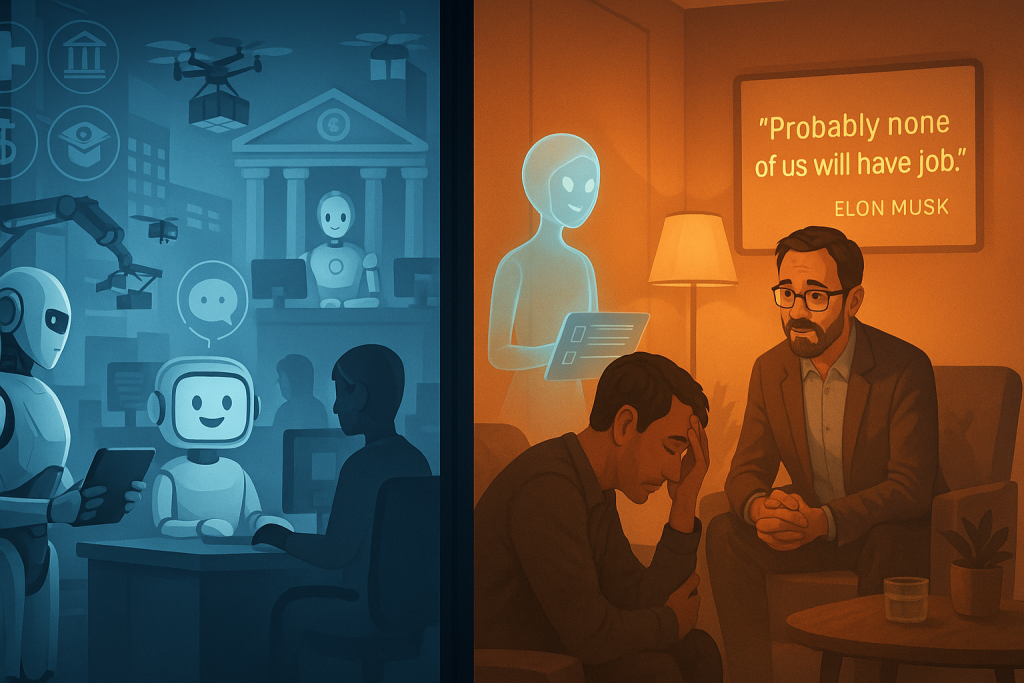
Grok 4: Le nouveau benchmark dans AI Grok 4, développé par la société Elon Musk, xAI, est salué comme le modèle AI le plus avancé au monde. Sa sortie marque un bond en avant dans l'intelligence artificielle, avec des fonctionnalités et des performances qui l'ont mis à part des rivaux comme OpenAIs GPT-4, Googles Gemini 2.5 et Anthropics Claude Opus. Caractéristiques clés qui définissent Grok 4 Apart Raisonnement inégalé et résolution de problèmes Grok 4 démontre l'intelligence de niveau postdoctoral dans toutes les disciplines universitaires. Elon Musk a souligné lors du lancement que Grok 4 "surpasse les normes de doctorat dans chaque discipline—sans exception." Il excelle dans le raisonnement complexe, les tâches STEM, et même les problèmes d'ingénierie du monde réel qui ne peuvent être résolus par une simple recherche web. Fenêtre de contexte massif Avec une fenêtre contextuelle de 256 000 jetons—le double de celui de son prédécesseur—Grok 4 peut traiter et analyser de grandes quantités d'informations à la fois. Cela permet une analyse approfondie, la génération de contenu de longue durée et la résolution de problèmes complexes que d'autres modèles peinent à faire correspondre. Multimodal et Real-Time Capabilities Grok 4 traite à la fois le texte et les images et s'étend à la vidéo et à l'audio. Son outil DeepSearch permet un accès en temps réel aux données en direct, en particulier à partir de X (anciennement Twitter), garantissant que les réponses sont toujours à jour et pertinentes. Collaboration multi-agents (Grok 4) La version "Lourde" de Grok 4 peut exécuter plusieurs agents d'IA en parallèle, débattre et affiner les réponses pour une précision maximale. Cette orchestration multi-agents est unique parmi les AI commerciales et stimule considérablement la performance sur des tâches complexes. Performance de référence supérieure Gro

Anglais

De l'épuisement à l'équilibre : 3 outils d'IA qui réduisent la surcharge de thérapeutes

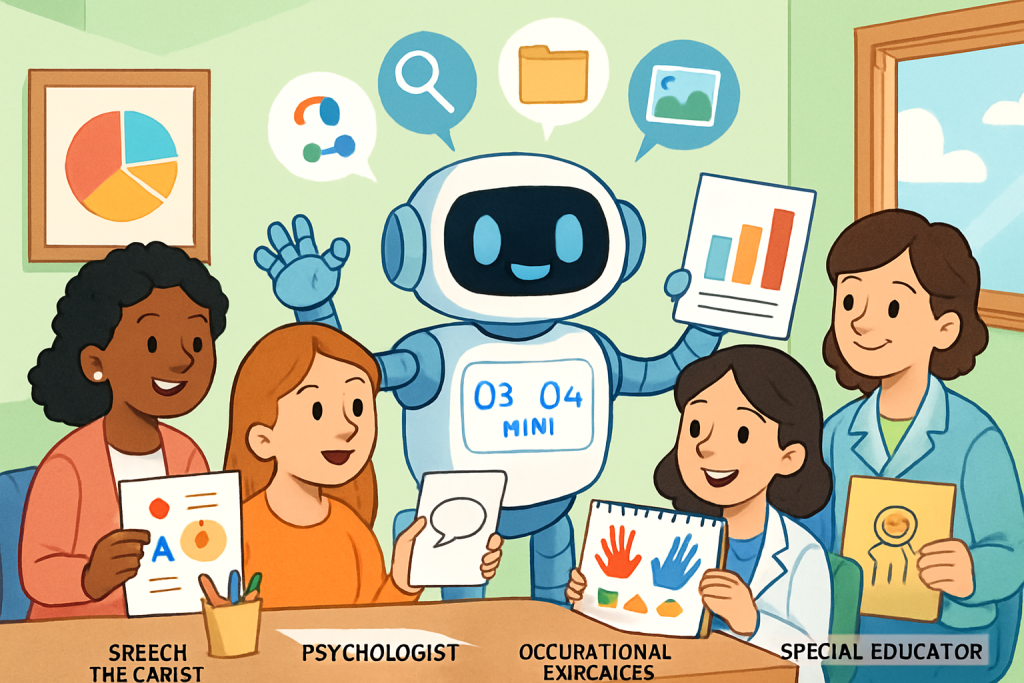
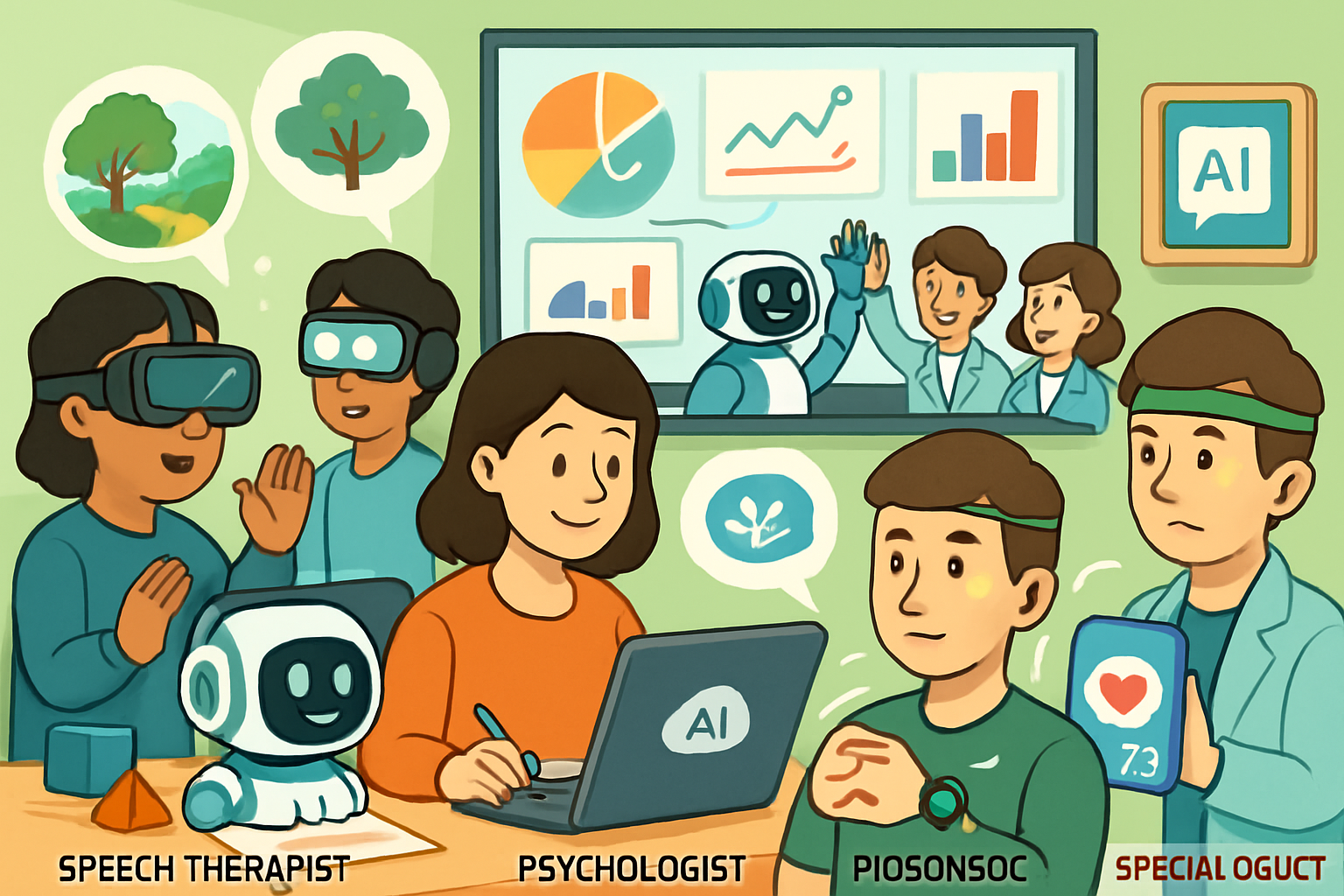
In 2025, therapist burnout is no longer a background issue—it’s front and center. Long hours, rising caseloads, and growing documentation demands have left professionals across disciplines struggling to maintain balance. Whether in schools, clinics, hospitals, or home settings, many therapists find themselves spending more time on paperwork and planning than on actual client care. This growing administrative load impacts not only therapists’ well-being but also the consistency and quality of support clients receive. Fortunately, artificial intelligence (AI) is beginning to offer real relief. When thoughtfully integrated, AI tools can streamline the most time-consuming tasks—freeing therapists to focus on what truly matters: connection, intervention, and outcomes. Below are three AI tools making a measurable difference, with examples that apply across settings and disciplines. 1. SLPToolkit’s Smart Goals Generator: Faster, Focused IEP Writing Writing individualized, measurable goals is a cornerstone of therapy—but also one of the most repetitive and draining parts of the job. SLPToolkit’s Smart Goals Generator uses AI to suggest developmentally appropriate, goal-aligned statements based on client needs and clinical input. Instead of starting from scratch, therapists receive a structured goal template that can be quickly customized and approved. This not only saves time but also ensures that goals remain SMART—Specific, Measurable, Achievable, Relevant, and Time-bound. “Before using this tool, I would spend hours writing goals for each client. Now, I start with a clear draft and spend my energy personalizing, not formatting.” General Applications Across Roles: 2. ChatGPT for SOAP Notes: Structured Documentation in Minutes Clinical documentation is essential—but often exhausting. Writing clear, structured SOAP notes (Subjective, Objective, Assessment, Plan) can take up a major portion of a therapist’s day, especially when working with back-to-back sessions. ChatGPT can help by transforming quick session summaries or bullet-point notes into well-structured clinical documentation. Therapists input short, factual descriptions of what occurred during the session, and the AI generates a draft that can be reviewed, edited, and saved. “It’s like having a reliable first-draft assistant. I still edit, but I no longer start from a blank page.” General Applications Across Roles: 3. Eduaide.ai and Curipod: Efficient Session Planning and Communication Planning engaging, evidence-based sessions is essential—but takes time many professionals don’t have. Eduaide.ai and Curipod help generate developmentally appropriate activities, visual supports, and even handouts for parents or caregivers. With Eduaide.ai, therapists simply input a skill or goal (e.g., “working memory in school-aged children”) and receive structured session plans with differentiated activities and visuals. Curipod takes this further by offering editable slide decks, quizzes, and interactive prompts perfect for group work or psychoeducation. “What used to take me two hours to prep now takes thirty minutes—and the quality is actually better.” General Applications Across Roles: Why These Tools Matter Across Disciplines AI isn’t just for tech-savvy professionals—it’s becoming a vital support across therapy and education. Whether you’re writing behavior goals, documenting a sensory-motor session, or planning a group intervention, these tools offer: Most importantly, they allow therapists to spend more time in real therapeutic work and less time buried in administrative tasks. Final Thoughts: Reclaiming Time for What Matters Most AI will never replace the empathy, expertise, or relational power of a therapist. But it can serve as a quiet co-pilot—handling the repetitive groundwork so clinicians can focus on high-impact work. Whether you’re working in early intervention, school-based support, outpatient rehab, or mental health—these tools are designed to reduce overload, not add to it. As burnout becomes an increasingly common reality in helping professions, AI may offer part of the solution: a way to reclaim time, increase precision, and bring balance back into our work. Recommended Tools

Anglais

De l'Assistant à la Transformative : le système scolaire d'IA gratuit de Google et ce qu'il signifie pour les salles de classe SEN

Dans un mouvement révolutionnaire, Google a lancé un système scolaire gratuit alimenté par l'IA grâce à sa plateforme Gemini, intégrée dans Workspace for Education. Cette initiative permet aux enseignants d'avoir accès à des outils intelligents qui appuient l'apprentissage des élèves grâce à des commentaires en temps réel, à des guides d'étude adaptés et à une aide interactive aux projets.—tous conçus avec un contrôle strict de la vie privée et une surveillance administrative. Contrairement à d'autres solutions de technologie de l'éducation, ce système n'est pas seulement sur l'automatisation—C'est à propos de la personnalisation. L'IA de Gemini peut servir de mentor en personne, guidant les étudiants à travers des tâches comme la compréhension de la lecture, des projets scientifiques, des plans de révision et même des check-in de régulation émotionnelle. Son potentiel d'éducation inclusive—en particulier pour les étudiants ayant des besoins éducatifs spéciaux (SEN)—est sans précédent. Mentorship personnalisé de l'IA pour les apprenants du SEN Ce système d'IA peut s'adapter à divers profils d'élèves, créant des voies différenciées pour les étudiants confrontés à des défis cognitifs, émotionnels ou d'apprentissage. Par exemple: En permettant des interactions personnalisées, Gemini réduit le fardeau pour les enseignants tout en améliorant l'équité d'accès à l'apprentissage—particulièrement important dans des contextes inclusifs ou limités en ressources. Ce que cela signifie pour les thérapeutes scolaires Ce n'est pas seulement un outil technologique—c'est l'occasion pour les équipes de thérapie d'intégrer leur expertise dans l'apprentissage en classe sans trop s'étendre. Voici comment les thérapeutes à travers les disciplines peuvent collaborer avec les éducateurs en utilisant le système Gemini: Essentiellement, l'IA devient une extension évolutive de l'équipe thérapeutique—disponible tout au long de la journée scolaire.

Anglais

Elsa et l'AMA : comment la FDA s'est dotée d'un nouvel outil d'IA et de normes d'IA explicables façonnent l'avenir de la thérapie

AI’s Leap from Hype to Healthcare Standard Artificial intelligence (AI) is no longer just an emerging concept—it’s now a regulated, practical tool in healthcare. In 2025, regulatory bodies and professional organizations are setting clear expectations for AI’s role in clinical practice. These changes are especially relevant for speech-language pathologists (SLPs), occupational therapists (OTs), physical therapists (PTs), psychologists, and psychomotor therapists, many of whom are already using AI-powered tools in therapy. Two recent events—the FDA’s launch of Elsa, its first agency-wide AI tool, and the AMA’s call for “explainable AI”—are now shaping how therapists approach AI in daily practice. Elsa: The FDA’s New AI Tool The U.S. Food and Drug Administration (FDA) has launched Elsa, a generative AI tool designed to modernize internal workflows. Built on a large language model and deployed within a secure GovCloud environment, Elsa helps FDA staff read, write, summarize, and analyze data-heavy documents. Elsa does not train on industry-submitted data, protecting proprietary and sensitive information (FDA, 2025a). Elsa’s functions include summarizing adverse event reports, accelerating clinical protocol reviews, automating label comparisons, generating code for internal databases, and identifying priority inspection targets. Tasks that once took days can now be completed in minutes, freeing staff for higher-level evaluations (FDA, 2025b). Elsa’s successful, ahead-of-schedule rollout is a real-world example of how AI can handle administrative complexity while maintaining high standards of security and reliability (Hogan Lovells, 2025). The AMA and Explainable AI Alongside Elsa’s debut, the American Medical Association (AMA) has introduced new guidance emphasizing “explainable AI.” This means AI systems must clearly articulate how they arrive at specific recommendations, predictions, or alerts (Healthcare Brew, 2025). For therapists, this is crucial: explainability ensures clinicians can interpret AI-generated insights, communicate them transparently to clients and families, and make informed decisions rooted in professional accountability. AI in Physical Therapy: Real-Time, Personalized, and Predictive Care AI is fundamentally transforming physical therapy, making rehabilitation smarter, faster, and more accessible. Here’s how: Best Practice Recommendations for PTs and All Therapists Conclusion: A Turning Point in Physical Therapy and Beyond Elsa’s launch and the AMA’s new standards mark a significant shift in how AI is integrated into therapy and healthcare. For physical therapists, AI now offers real-time analysis, personalized care, predictive insights, and streamlined operations—enhancing outcomes while upholding the human connection at the heart of therapy. By selecting explainable, privacy-conscious tools and applying clinical reasoning, PTs and all therapists can safely integrate AI as a trusted partner in modern rehabilitation. References American Psychological Association. (2025, January). Harnessing the power of artificial intelligence. Business of AI in Healthcare. (2024, August 13). AI in physical therapy: Human movement analysis. EmpowerEMR. (2025, February 12). Artificial intelligence in physical therapy: Impact & applications. FDA. (2025a, June 2). FDA launches agency-wide AI tool to optimize performance for the American people. FDA. (2025b, June 3). FDA launches “Elsa” AI tool to aid drug approvals. Healthcare Brew. (2025, June 24). AI 411: June 2025. Hogan Lovells. (2025, June 12). FDA launches “Elsa” AI tool to aid drug approvals. Net Health. (2024, October 21). AI in physical therapy: The future of operations and patient care. Sali, S., Mavani, R., & Kaelin, M. (2025). Revolutionizing rehabilitation: How artificial intelligence is shaping the future of occupational therapy. Florida Occupational Therapy Association. ShadhinLab. (2025, March 3). How AI in physical therapy is transforming rehabilitation in 2025. SPRY PT. (2025, June 20). 2025 advancements in physical therapy: AI, VR & robotic tech. University of St. Augustine for Health Sciences. (2025, April). AI for speech therapy: Enhancing speech-language pathology training.

Anglais

L'IA en thérapie: Impacts cognitifs et cliniques pour les orthophonistes, professionnels, physiques, psychomoteurs et psychologues

Introduction: AI’s Expanding Role in Therapy Artificial intelligence (AI), especially large language models (LLMs) such as ChatGPT, is rapidly reshaping the landscape of healthcare and therapy. From generating therapy materials and automating documentation to providing real-time feedback and supporting client communication, AI promises greater efficiency, personalization, and accessibility for practitioners across speech therapy, occupational therapy, physical therapy, psychology, and psychomotor therapy. However, as AI becomes more embedded in daily practice, emerging research urges therapists to consider not just the practical benefits, but also the cognitive and clinical implications for both therapists and clients (Kosmyna et al., 2024). Cognitive Engagement: What Happens When We Use AI? Recent experimental research has shown that the way therapists and clients interact with AI tools can significantly affect cognitive engagement and learning outcomes. In a study by Kosmyna et al. (2024), participants were assigned to write essays using either only their own knowledge, a traditional search engine, or an LLM like ChatGPT. EEG brain activity was measured, and participants were interviewed about memory, ownership, and satisfaction with their work. The findings reveal that those who relied on LLMs exhibited the weakest neural connectivity, particularly in brain regions involved in memory, attention, and deep processing. By contrast, participants who used only their own brains demonstrated the strongest, most widespread brain activity, while those using search engines were intermediate. This suggests that LLMs, while effective at reducing immediate cognitive load and making tasks feel easier, may also encourage more passive engagement and less deep processing of information (Kosmyna et al., 2024; Sweller, 2011). Moreover, LLM users reported lower ownership over their work and struggled to recall or quote from their essays, compared to those who used search engines or worked unaided. This impaired memory and reduced sense of authorship may have important implications for therapy, where engagement, self-reflection, and memory are central to progress and learning (Kosmyna et al., 2024). Clinical Implications for Therapy Disciplines For Speech and Language Therapists:AI can generate prompts, exercises, and language models for clients, but over-reliance on these tools may reduce clients’ active participation and expressive language development. The process of generating one’s own ideas and sentences is crucial for language acquisition and memory formation (Kosmyna et al., 2024; Yang et al., 2024). For Occupational and Physical Therapists:AI is increasingly used in physical therapy for movement analysis, remote monitoring, and personalized exercise planning. Wearable sensors and AI-driven platforms can track gait, range of motion, and exercise adherence, providing real-time feedback and automating progress documentation. However, optimal motor learning and transfer to daily life require clients to be actively involved in planning, reflection, and problem-solving. Passive following of AI-generated routines may not engage the cognitive and motor systems as robustly as therapist-guided or self-directed activities (Sweller, 2011). For example, a PT might use AI to suggest a progression of exercises, but the best outcomes occur when clients set goals, reflect on their progress, and adapt routines in collaboration with their therapist. For Psychologists and Psychomotor Therapists:AI tools can assist with psychoeducation, cognitive-behavioral interventions, and emotional support. However, therapists must be vigilant about “cognitive offloading”—the tendency to let AI do the thinking, which can diminish clients’ critical thinking, emotional processing, and self-reflection (Kosmyna et al., 2024; Yang et al., 2024). For All Disciplines:AI-generated documentation and treatment plans can save time, but therapists may feel less connected to these records and may struggle to recall details later. This can impact continuity of care, clinical judgment, and professional satisfaction. Furthermore, the homogenization of AI-generated content risks undermining the creativity and individualized care that are hallmarks of effective therapy (Kosmyna et al., 2024; Niloy et al., 2024). Balancing Benefits and Cognitive Risks AI tools offer clear advantages: they reduce extraneous cognitive load, streamline information retrieval, and can increase productivity (Kosmyna et al., 2024; Sweller, 2011). For PTs, this means more efficient data collection, progress tracking, and even predictive analytics for injury risk or recovery. However, these benefits come with trade-offs. Lower cognitive effort may lead to less deep engagement, weaker memory encoding, and reduced development of problem-solving skills. Studies in educational settings have found that students using AI for writing or programming tasks perform worse on measures of long-term learning, self-efficacy, and creative thinking compared to those using traditional methods (Yang et al., 2024; Niloy et al., 2024). Moreover, the tendency for AI-generated outputs to be more similar to each other—less diverse in language and thought—may limit the range of perspectives and approaches explored in therapy. This is especially concerning in fields that value creativity, individualized care, and holistic understanding of clients (Kosmyna et al., 2024). Practical Recommendations for Therapists Conclusion: Navigating the AI Era in Therapy AI is a powerful tool for therapists, including PTs, but it is not a replacement for the human mind or the therapeutic relationship. The latest research demonstrates that while AI can make tasks easier and more efficient, it may also reduce cognitive engagement, memory, and creativity if overused or used uncritically. Therapists across all disciplines must strive for a thoughtful balance—leveraging AI’s strengths while actively protecting the cognitive, creative, and relational skills that define effective therapy. By doing so, both therapists and clients can continue to grow, learn, and thrive in an increasingly AI-augmented world. References Kosmyna, N., Hauptmann, E., Yuan, Y. T., Situ, J., Liao, X.-H., Beresnitzky, A. V., Braunstein, I., & Maes, P. (2024). Your Brain on ChatGPT: Accumulation of Cognitive Debt when Using an AI Assistant for Essay Writing Task. MIT Media Lab. Sweller, J. (2011). Cognitive Load Theory. Psychology of Learning and Motivation, 55, 37-76. Yang, S., Li, J., & Chen, X. (2024). The Impact of ChatGPT on Student Learning: Evidence from a Programming Course. Computers & Education, 205, 104889. Niloy, S., Rahman, M., & Sultana, S. (2024). Effects of ChatGPT on Creative Writing Skills among College Students. Journal of Educational Technology Development and Exchange, 17(1), 15-28.

Anglais

OpenAIшs Dernière discussionGPT Mises à jour : Un pas en avant pour les thérapeutes, les éducateurs et les professionnels de la santé alliés

The world of artificial intelligence (AI) continues to evolve at a breathtaking pace, and OpenAI’s recent update to ChatGPT is a prime example. Announced just days ago via the @chatgptricks Instagram page, these changes bring ChatGPT closer to being an everyday assistant for professionals across multiple fields—including speech-language pathologists (SLPs), occupational therapists (OTs), physical therapists (PTs), psychologists, psychomotor therapists, and special educators. This article explores the key updates and demonstrates how each professional group can apply them to enhance therapy planning, communication, documentation, and client engagement. 1. Image Generation in WhatsApp (via 1-800-ChatGPT) OpenAI now enables image generation directly within WhatsApp. By messaging 1-800-ChatGPT, professionals can create high-quality AI-generated visuals on the go. This allows therapists and educators to: This seamless integration with WhatsApp is ideal for communicating with families and aides in real-time. As Khanna et al. (2023) note, integrating AI into familiar platforms reduces tech resistance and promotes real-world utility. 2. Custom GPTs on All Models: Personalized AI for Every Budget Custom GPTs—essentially specialized AI assistants—can now run on any ChatGPT model, including the faster and more affordable GPT-4 mini. This means that: By enabling personalization across all models, OpenAI is empowering practitioners to innovate without needing premium access (Park & Prabhakaran, 2024). 3. Projects Update: Deep Research, Memory, and Voice ChatGPT’s new Projects feature is perhaps the most powerful update for therapists and educators. Features include: Imagine an SLP who uploads weekly session notes and asks ChatGPT to summarize progress or generate session reports. Or a psychologist using voice input to log observations after a session while driving. According to Xie et al. (2023), memory-enhanced AI significantly improves continuity, reducing time spent on repetitive tasks and increasing focus on clinical reasoning. Applications Across Professions Professional How to Use the Updates SLPs Visual cards, home carryover plans, social scripts, and dynamic assessments OTs Visual schedules, motor planning boards, sensory diet suggestions, adaptive tasks PTs Exercise demonstrations, movement sequences, and balance/stability progression visuals Psychologists Therapeutic visuals, journaling prompts, emotion regulation tools, and CBT reflections Psychomotor Therapists Body scheme illustrations, bilateral coordination games, and session recaps Special Educators Differentiated content creation, reading supports, visual timetables, and gamified learning These updates make AI more practical, inclusive, and therapeutic—not just “smart.” The ability to store information across sessions brings ChatGPT closer to functioning like a case manager or clinical assistant (Mitchell et al., 2023). Ethical Use in Clinical and Educational Settings The ethical integration of AI remains paramount. Practitioners must ensure data privacy, informed consent, and age-appropriate content. As noted by the European Commission (2022), AI systems must be transparent, trustworthy, and non-biased. Custom GPTs used in therapeutic contexts should be evaluated for safety and accuracy, especially when interacting with children or individuals with cognitive challenges. Monitoring and review are essential to avoid over-reliance or misinformation. Conclusion: A Future of Partnership OpenAI’s latest ChatGPT updates signal a move toward intelligent collaboration, not automation. These tools are designed to amplify the expertise of professionals—supporting more personalized, efficient, and innovative service delivery. Whether you’re crafting social-emotional learning tools as a psychologist, adapting motor tasks as a PT, or preparing visuals for an AAC user, these new capabilities bring real-time support to your fingertips. The question is no longer if AI belongs in therapy and education, but how we can best harness it to meet the needs of diverse learners and clients. References European Commission. (2022). Ethics guidelines for trustworthy AI. Publications Office of the European Union. https://digital-strategy.ec.europa.eu/en/library/ethics-guidelines-trustworthy-ai Khanna, R., D’Mello, S., & Caine, K. (2023). Human-AI Collaboration in Education: A Meta-Analysis of Benefits and Barriers. Computers & Education: Artificial Intelligence, 4, 100143. https://doi.org/10.1016/j.caeai.2023.100143 Mitchell, M., Wu, S., Zaldivar, A., Barnes, P., Vasserman, L., Hutchinson, B., … & Gebru, T. (2023). Model Cards for Model Reporting. Communications of the ACM, 66(1), 56–65. https://doi.org/10.1145/3522499 Park, A., & Prabhakaran, V. (2024). Tailoring Lightweight Language Models for Equity and Access. Journal of Artificial Intelligence Research, 76, 321–342. https://doi.org/10.1613/jair.1.13933 Xie, M., Yu, Y., & Yin, Z. (2023). Memory-Augmented Dialogue Systems: A Survey. Journal of Computational Linguistics, 49(2), 221–248. https://doi.org/10.1162/coli_a_00480

Anglais

Dactylographie, texturation et aphasie : Repenser l'écriture à l'ère numérique

The shift toward digital communication has reshaped how we think about writing—not only for the general population but also for individuals with aphasia (PwA). Traditional writing practices such as handwriting are increasingly supplemented or replaced by texting, typing, and other digital modalities. For interdisciplinary therapists supporting clients with neurological conditions, this shift demands a broader clinical lens. Digital writing is no longer optional—it is a lifeline for communication, independence, and social participation. Yet, the impact of these tools varies across individuals and must be assessed with nuance and inclusivity. Why Digital Writing Matters in Aphasia Care Texting and typing have become dominant forms of everyday communication. People send appointment requests, update caregivers, and maintain friendships through written digital messages. For individuals with aphasia, difficulty with writing—already a major barrier—can be compounded by the challenges of navigating modern platforms and interfaces. As Dietz et al. (2011) noted, integrating technology into therapy offers new ways to support language recovery and social engagement. Today’s norms also accept spelling shortcuts, emojis, and even incomplete phrases. This more flexible standard can reduce pressure and expand opportunities for communicative success in therapy. Typing vs. Handwriting: Same Goals, New Mediums Recent studies suggest that at the group level, PwA show comparable performance in typing and handwriting regarding correct information units and utterances (Obermeyer et al., 2024). However, individual differences are important. Typing often results in slower output, more deletions, and higher spelling error rates. These effects can vary based on lesion site, motor planning issues, and familiarity with digital interfaces (Lee et al., 2024). This insight is critical for therapists choosing the most effective and functional writing modality for their clients. Applications for Speech-Language Pathologists SLPs can integrate texting and typing into language therapy to target functional writing goals. AI tools like predictive text and autocorrect can scaffold word retrieval. DAAWN (Menger et al., 2021) allows therapists to assess typing skills through structured tasks and receive automatic reports on output quality. Additionally, using the Texting Transactional Success Scale (Lee & Cherney, 2022) lets SLPs evaluate whether clients can successfully complete communication exchanges using messages. This is ideal for social communication goals and generalization into everyday contexts. Applications for Occupational Therapists For OTs, keyboarding and touchscreen typing are functional ADLs. Fine motor planning, sensory regulation, and visual-spatial processing are all part of successful digital writing. The Technology Survey (Kinsey et al., 2022) is a helpful tool to determine clients’ device usage, confidence, and motivation. OTs can incorporate texting tasks into broader technology use goals, such as accessing medical portals or coordinating with caregivers. Interventions might include adapting stylus grips, adjusting typing settings, or exploring voice-to-text as compensatory strategies. Relevance for Physical Therapists While digital writing might seem outside a PT’s scope, the motor aspects of typing and digital device use are crucial for clients with upper limb motor impairments or coordination difficulties. PTs can collaborate with OTs and SLPs to improve postural support, arm control, and endurance for sustained writing or typing tasks. Moreover, communication tools like texting can support PT-led home programs. For example, patients with aphasia may benefit from receiving simplified text instructions, images, or reminders in therapy-friendly formats. Psychomotor Therapists and Cognitive-Motor Integration Psychomotor therapists support the integration of body movement with cognitive and emotional processing. Typing and texting tasks offer rich opportunities to address cognitive-motor planning, visual tracking, bilateral coordination, and timing—all within a communication-focused framework. Integrating free text tasks, emoji use, or sequencing writing prompts into psychomotor sessions can build self-regulation and executive function while reinforcing meaningful communication. Supporting Special Educators and Assistive Communication Special educators working with students with acquired brain injury or developmental language disorder also benefit from these tools. Platforms like DAAWN and texting scale assessments allow for personalized, adaptive written expression tasks. AI tools can be used to co-create stories, label images, or send simulated text messages to characters—turning literacy tasks into interactive, communicative learning experiences. For older students or transition-aged youth, these tools foster digital literacy, independence, and social-emotional expression. Conclusion: Beyond Traditional Writing As Thiel and Conroy (2022) argue, writing remains deeply personal and powerful for people with aphasia. It’s not just a skill—it’s a means of reconnecting with the world. By integrating texting and typing into therapy, we make communication more real, more modern, and more relevant. For therapists across disciplines, this means adapting goals, tools, and expectations to reflect the way people live, learn, and communicate today. Writing is no longer just about paper and pen—it’s about access, agency, and connection. References Dietz, A., Ball, A., & Griffith, J. (2011). Reading and writing with aphasia in the 21st century: Technological applications of supported reading comprehension and written expression. Topics in Stroke Rehabilitation, 18(6), 758–769. https://doi.org/10.1310/tsr1806-758 Kinsey, L. E., Lee, J. B., Larkin, E. M., & Cherney, L. R. (2022). Texting behaviors of individuals with chronic aphasia: A descriptive study. American Journal of Speech-Language Pathology, 31(1), 99–112. https://doi.org/10.1044/2021_AJSLP-20-00287 Lee, J. B., & Cherney, L. R. (2022). Transactional success in the texting of individuals with aphasia. American Journal of Speech-Language Pathology, 31(5S), 2348–2365. https://doi.org/10.1044/2022_AJSLP-21-00291 Lee, J. B., Kinsey, L. E., & Cherney, L. R. (2024). Typing versus handwriting: A preliminary investigation of modality effects in the writing output of people with aphasia. American Journal of Speech-Language Pathology, 33(6S), 3422–3430. Menger, F., Forshaw, M., Morris, J., & Osselton, R. (2021). Digitised Assessment for Aphasia of WritiNg. https://daawn.ncldata.dev Menger, F., Morris, J., & Salis, C. (2016). Aphasia in an internet age: Wider perspectives on digital inclusion. Aphasiology, 30(2–3), 112–132. https://doi.org/10.1080/02687038.2015.1100702 Obermeyer, J., Edmonds, L., & Morgan, J. (2024). Handwritten and typed discourse in people with aphasia: Reference data for sequential picture description and comparison of performance across modality. American Journal of Speech-Language Pathology, 33(6S), 3170–3185. Thiel, L., & Conroy, P. (2022). “I think writing is everything”: An exploration of the writing experiences of people with aphasia. International Journal of Language & Communication Disorders, 57(6), 1381–1398.

Anglais

Les dernières mises à jour du ChatGPT: Intégration des courriels, Outils plus intelligents et ce que cela signifie pour les professions thérapeutiques

ChatGPT a beaucoup évolué ces derniers mois. D'un puissant assistant linguistique, il devient maintenant un outil pleinement intégré pour la productivité et le soutien clinique. Les dernières parutions—y compris de solides capacités de liaison par courriel, des interactions vocales améliorées et des modèles de raisonnement améliorés—offrir de véritables avantages aux professionnels en orthophonie (SLP), en ergothérapie (OT) et en psychologie. 1. Liens par courriel et productivité Greffons L'une des mises à jour les plus importantes est la possibilité de lier ChatGPT avec votre email et d'autres applications en utilisant des outils comme Zapier et de nouvelles intégrations de productivité. Grâce aux plugins d'email ChatGPT, vous pouvez : Cela rationalise les tâches administratives—un gain important pour les SLP, les OT et les psychologues qui jonglent souvent avec la paperasse, la planification des séances et la communication avec les soignants. Selon Sendboard, des outils comme les plug-ins Zapier permettent l'automatisation directement dans ChatGPT, sans nécessiter de compétences de codage 2. Raisonnement avancé avec o3-pro Paru en juin 2025, o3-pro renforce le pouvoir de raisonnement de ChatGPT. Il est plus fort que les modèles précédents et peut gérer des tâches complexes en plusieurs étapes comme générer des plans de thérapie, interpréter des données d'évaluation ou élaborer des documents psychoéducatifs détaillés Pour les thérapeutes, cela signifie une plus grande fiabilité et précision lors de l'utilisation de ChatGPT pour: Bien que les réponses puissent prendre un peu plus de temps, l'amélioration de la fiabilité dans des domaines comme la science, le codage et la planification détaillée en vaut la peine 3. Amélioration Mode voix Dernières mises à jour de la voix avancée Mode ont rendu les réponses parlées ChatGPT—complet avec n

Anglais

De la tendance à la thérapie: Ce que signifient les dernières innovations en matière d'IA sur Instagram pour les SLP, les OT et les psychologues

Artificial intelligence (AI) is dominating social media platforms like Instagram, where rapid-fire reels, demos, and viral posts showcase exciting new AI-powered tools and breakthroughs daily. For therapists—speech-language pathologists (SLPs), occupational therapists (OTs), and psychologists—these trends offer a glimpse into the future of clinical practice. But with the constant flood of AI hype, how do you separate fleeting fads from game-changing innovations? More importantly, how can you leverage these latest AI trends to enhance your therapeutic impact ethically and effectively? This article unpacks the most viral AI updates currently buzzing on Instagram, translating them into practical insights for therapy professionals. 1. AI-Powered Video and Movement Analysis: Next-Level Remote Assessment One of the most exciting AI trends gaining traction on Instagram is real-time video analysis tools that track facial expressions, speech articulation, and fine motor movements. These tools use machine learning to provide detailed, objective data on client performance, even from recorded or live video sessions. For SLPs and OTs, this means more precise assessment and progress monitoring without needing in-person observation every time. Imagine AI algorithms flagging subtle changes in a client’s articulation or motor coordination patterns that might otherwise go unnoticed. While these platforms are still emerging and need clinical validation, they represent a promising adjunct for teletherapy and hybrid models—especially valuable given the increase in remote service delivery post-pandemic. 2. Chatbots and Virtual Assistants That Understand Emotion and Context Instagram reels are buzzing with AI chatbots demonstrating near-human conversational flow and emotional sensitivity. Advanced natural language processing (NLP) models now recognize not just words but the tone and emotional intent behind them. For psychologists and SLPs working on social skills, motivation, or emotional regulation, these AI-driven conversational agents can serve as engaging, low-stakes practice partners outside sessions. They offer clients opportunities to rehearse challenging conversations or receive immediate, non-judgmental feedback on communication attempts. However, it’s critical to view these tools as supplementary aids rather than replacements for human connection and clinical judgment. 3. Creative Content Generation: Saving Time, Boosting Engagement Social media trends highlight AI tools that instantly generate text, visuals, and even audio content tailored to user needs. Therapists can harness this to create culturally adapted stories, visual schedules, relaxation scripts, or interactive worksheets in minutes. For example, AI can transform a generic narrative retell task into a culturally relevant story for diverse client populations or produce calming mindfulness scripts aligned with a client’s language and spiritual background. By automating these time-consuming tasks, therapists free up more time to focus on individualized clinical work and relationship building. 4. Ethical Considerations: What Social Media Often Misses While Instagram showcases the shiny potential of AI, it rarely highlights the ethical complexities. Many trending AI tools operate with limited transparency on data privacy, algorithmic bias, and inclusivity. Therapists must critically evaluate new AI products by asking: Navigating these concerns ensures AI enhances care without inadvertently perpetuating inequities or privacy violations. 5. Staying Updated Without Overwhelm: Curate Your AI Learning With AI news flooding social media daily, it’s easy to feel overwhelmed or distracted by hype. To stay informed and clinically relevant: This intentional approach helps therapists keep pace with AI innovation without burnout or misinformation. Conlusion Instagram’s fast-moving AI trends reveal a dynamic future where therapy and technology increasingly intersect. By understanding and critically engaging with these viral updates, SLPs, OTs, and psychologists can adopt AI tools that truly enhance client care—balancing innovation with ethics and empathy. As AI evolves, therapists who blend technical curiosity with clinical wisdom will be best positioned to harness its full potential for meaningful, inclusive, and effective therapy.

Anglais

De la politique à la pratique: comment les cliniques de thérapie à travers l'Europe mettent en œuvre la loi de l'UE sur l'IA

The EU Artificial Intelligence Act (Regulation 2024/1689), passed in June 2024, is already reshaping how AI is used in therapy. While the legislation outlines clear rules for transparency, risk classification, data governance, and human oversight, the real test lies in how clinics across Europe are putting these principles into action. Clinicians—especially those working in neurodevelopmental, rehabilitative, and mental health services—are asking a vital question: How do we comply with new AI regulations while preserving the human-centered nature of therapy? Translating Regulation Into Clinical Reality Across Europe, clinics are moving from high-level compliance to day-to-day operational changes in how AI tools are selected, monitored, and disclosed. In Belgium, for instance, a pediatric neurorehabilitation center has adopted a formal internal review process. Before any AI-assisted tool is used with children, teams assess the system’s training data, analyze its outcomes across diverse populations, and require therapists to demonstrate understanding of the AI model’s functionality and limits. These steps go beyond mere legal checklists. Under the AI Act, many digital therapy tools—including those used for speech analysis, attention monitoring, or adaptive content delivery—fall into the “high-risk” category. This classification requires clinics to apply standards of robustness, explainability, and human oversight (European Union, 2024). As a result, some clinics now treat AI tools like they would Class II medical devices: requiring structured evaluation, documentation, and clinician sign-off before use. Training the Clinician, Not Just the Tool In Denmark, a national therapy center network has launched mandatory AI ethics workshops. These don’t aim to turn therapists into data scientists but to equip them with foundational AI literacy. Therapists learn to ask critical questions: This emphasis on reflective practice aligns with WHO recommendations (2024), which stress that clinicians—not algorithms—must remain the final decision-makers. AI can suggest, but it cannot interpret. A fluency tracker may flag increased pause time, but it’s the therapist who determines whether the change reflects anxiety, illness, or simply a noisy environment. Training also now includes simulated case studies. For instance, therapists might explore how two similar speech samples receive different AI scores and must trace the model’s reasoning—a process that builds their confidence in evaluating AI reliability and limitations (Schubert et al., 2025). Embedding Transparency Into Client Care Clinics in the Netherlands, France, and Germany are leading on transparency. Informed consent now includes plain-language disclosures when AI tools are involved. Families are told if AI contributes to scoring, tailoring interventions, or flagging areas of concern. This kind of transparency, especially in pediatric and disability services, builds trust and satisfies Article 52 of the Act: patients have the right to know when AI is influencing care (European Union, 2024). Some platforms are going further: In the Netherlands, a widely used SLP support app now includes pop-up explanations showing how progress scores are generated and interpreted. This allows families to discuss uncertainties with therapists and contribute to decisions, rather than passively accepting algorithmic output. Addressing Access and Digital Equity While AI tools can optimize therapy, they may also widen the digital divide. In response, clinics in Poland, Slovakia, and Hungary are piloting hybrid care models—combining traditional therapy with AI-supported modules that require minimal hardware or bandwidth. These systems use offline-first design, printable practice modules, or text-based feedback to serve rural or low-resource areas. Furthermore, multilingual and cross-cultural validity is becoming a focus. As Pérez and Cheung (2025) point out, many existing AI tools have poor generalization beyond English or neurotypical data. SLPs and OTs across Europe are beginning to collaborate with developers to improve training datasets, ensuring tools work equitably across languages, dialects, and developmental profiles. Accountability and Oversight in Action Traceability—a core principle of the EU AI Act—is being operationalized via updated clinical documentation. In a multidisciplinary clinic in Munich, therapists now log every AI-assisted decision, whether in assessment, goal-setting, or therapy delivery. This includes: These records serve not only legal protection but also longitudinal quality review. For instance, if an AI tool routinely flags phonological issues in bilingual children where clinicians find none, the system may require retraining or discontinuation. As Topol (2024) emphasizes, human oversight is not a safeguard—it’s a necessity. Emerging Lessons from Early Implementation From these clinic-led efforts, several themes are emerging: AI as a Partner, Not a Replacement The EU AI Act is more than a regulatory hurdle—it’s a catalyst for ethical, inclusive innovation. By mandating transparency, clinician oversight, and data accountability, it challenges the therapy field to move slowly and wisely, even amid rapid technological change. European clinicians are not just adapting to AI—they are shaping it. By speaking up about equity gaps, demanding better training data, and insisting on tools that reflect clinical nuance, therapists are reclaiming their role as co-creators, not passive users. The future of AI in therapy will not be about automation—it will be about augmentation, grounded in clinical judgment and compassionate care. Coming Next How clinics are designing therapist-led systems to evaluate and audit AI tools—without overwhelming paperwork or technical complexity. To find out more join our AI webinars for therapists! go to Courses to find out more details! References

Panier