Author name: Admin

English

Google Research “Learn Your Way” – Textbooks That Teach Themselves (For Students, Researchers, and Learners with Dyslexia)

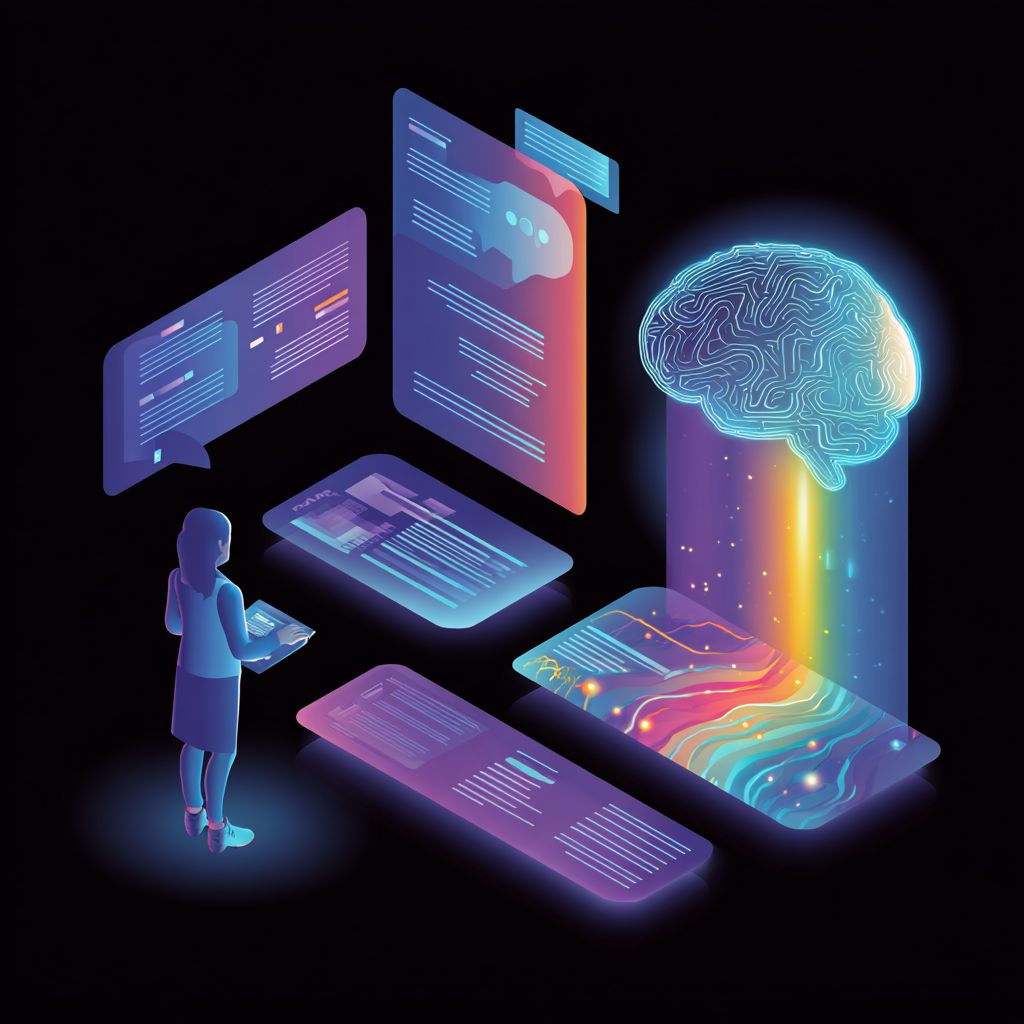
Textbooks and PDFs are powerful tools, but they’re also rigid. Many learners skim, forget, or get overwhelmed by dense pages of text. Now imagine if those same materials could adapt to you. That’s what Google Research is building with Learn Your Way—a system that transforms PDFs and textbooks into interactive, adaptive lessons. From Static Reading to Adaptive Learning Upload a textbook or article, and “Learn Your Way” reshapes it into a dynamic learning experience. Instead of passively reading, you can: The result? Content feels less like a wall of words and more like a responsive tutor. The Evidence: Stronger Recall Google’s first efficacy study was striking: Why This Matters for Researchers Academics and professionals face the same problem as students: too much reading, too little time. Learn Your Way could transform: For early-career researchers, it could act as a study scaffold; for experienced academics, a tool to accelerate comprehension across new fields. Why This Matters for Individuals with Dyslexia Traditional textbooks are especially challenging for people with dyslexia, where dense text, long paragraphs, and lack of scaffolding can cause fatigue and frustration. Learn Your Way offers several benefits: This doesn’t replace structured literacy interventions, but it creates a more accessible environment for everyday studying, professional training, or even research reading. The Bigger Picture Learn Your Way moves education and research from “read and memorize” to “engage and adapt.” For: The Takeaway Education tools are evolving. Textbooks are no longer static—they’re starting to teach back. Whether you’re a student studying for exams, a researcher scanning through dozens of PDFs, or a learner with dyslexia navigating dense reading, Learn Your Way shows how adaptive AI can make knowledge not only more efficient but also more inclusive.

English

OpenAI Just Tested Whether AI Can Do Your Job (Spoiler: It’s Getting Close)

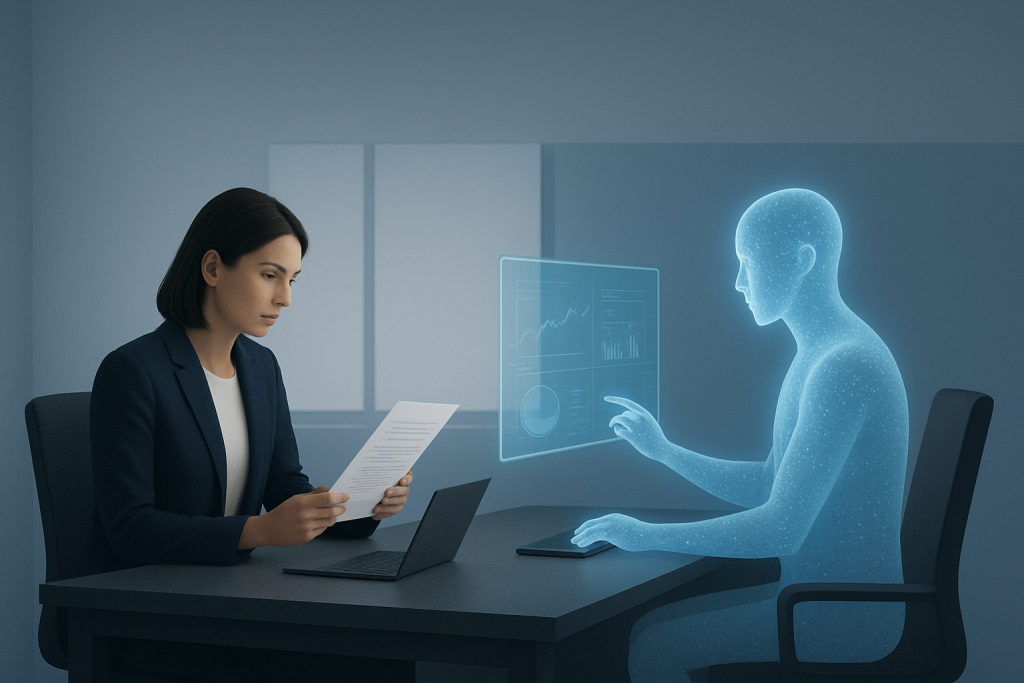
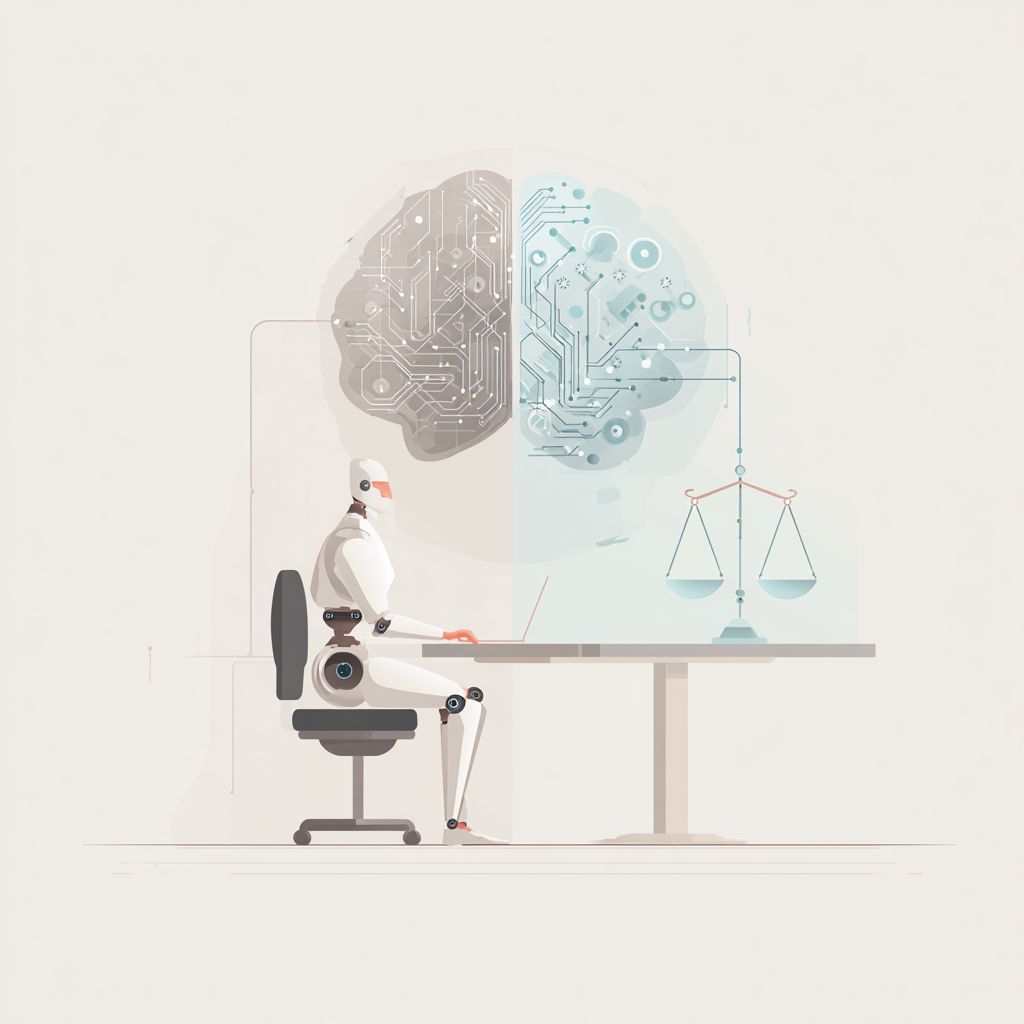
Artificial intelligence (AI) is no longer a futuristic idea—it is shaping the way professionals in every field approach their work. From engineers designing mining equipment to nurses writing care plans, AI is being tested against the real demands of professional practice. And now, researchers are asking a bold question: Can AI do your job? OpenAI’s latest study doesn’t give a simple yes or no. Instead, it paints a much more nuanced picture—AI is not yet a full replacement for human professionals, but it’s edging surprisingly close in some areas. For us as therapists, this raises both opportunities and challenges that are worth exploring. The Benchmark: Measuring AI Against Professionals To answer this question, OpenAI created a new framework called GDPval. Think of it as a “skills exam” for AI systems, but instead of testing algebra or trivia, the exam covered real-world professional tasks. The Results: Fast, Cheap, and Sometimes Surprisingly Good The study revealed a mix of strengths and weaknesses: When human experts compared AI outputs to human-created work, they still preferred the human versions overall. Yet, the combination of AI-generated drafts reviewed and refined by professionals turned out to be more efficient than either working alone. Why This Matters for Therapists So, what does this mean for us in speech therapy, psychology, occupational therapy, and related fields? AI is not going to replace therapists any time soon—but it is already shifting how we can work. Here are some examples of how this might apply in our daily practice: But here’s the critical caveat: AI’s work often looks polished on the surface but may contain subtle errors or missing details. Harvard Business Review recently described this problem as “workslop”—content that seems professional but is incomplete or incorrect. For therapists, passing along unchecked “workslop” could mean inaccurate advice to families, poorly designed therapy tasks, or even harm to clinical trust. This is where our professional expertise becomes more important than ever. The Therapist’s Role in the AI Era AI should be thought of as a bright but clumsy intern: That means our role doesn’t diminish—it evolves. Therapists who supervise, refine, and direct AI outputs will be able to reclaim more time for the heart of therapy: building relationships, delivering personalized interventions, and making evidence-based decisions. Instead of drowning in paperwork, we could spend more energy face-to-face with clients, coaching families, or innovating in therapy delivery. Looking Ahead Some AI experts predict that by 2026, AI may be able to match humans in most economically valuable tasks. While this sounds alarming, it doesn’t mean therapists will vanish from the workforce. Instead, it means that those who learn to integrate AI effectively will thrive—while those who resist may struggle to keep up. The takeaway for us is clear: Final Thought As therapists, our work is built on empathy, creativity, and nuanced understanding—qualities no AI can replicate. But AI can free us from repetitive tasks, give us faster access to resources, and help us innovate in service delivery. The future of therapy is not AI instead of us—it’s AI alongside us. And that collaboration, if used wisely, can give us more time, more tools, and ultimately, more impact for the people we serve.

English

Claude AI — What’s New & How We Can Use It (SLPs, OTs, Educators, Psychologists)

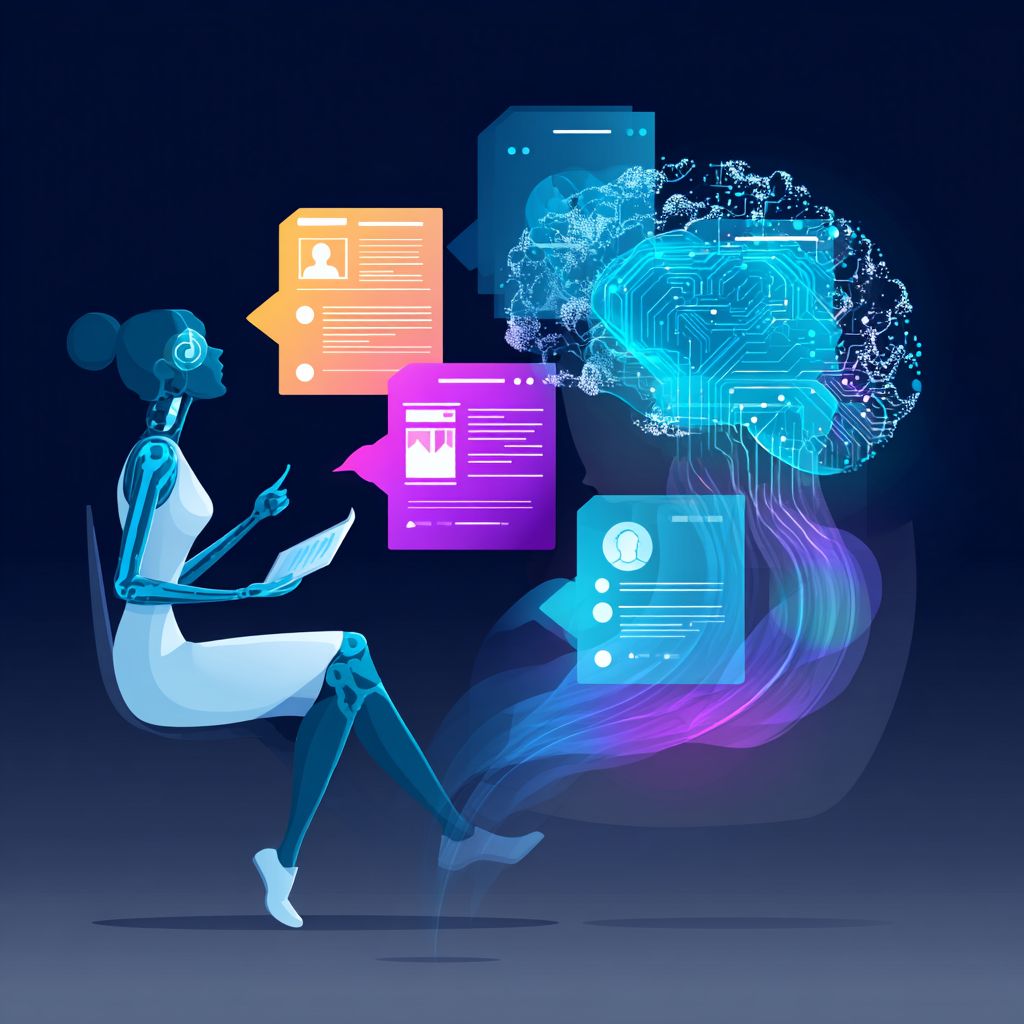
Claude, by Anthropic, is one of the leading Large Language Models (LLMs). It has been evolving fast, and many updates are relevant for therapy, special education, psychology, and related fields. Here’s a summary of what’s new with Claude, plus ideas (and cautions) for how professionals like us can use it. Recent updates in Claude How these can help SLPs, OTs, Special Educators, Psychologists Here are some practical ways we might use Claude’s recent capabilities, plus what to be cautious about. Function / Task How Claude can support Things to watch / best practices Goal / IEP Planning Use Claude to draft or refine Individualized Education Program (IEP) goals, generate multiple options, suggest evidence-based strategies for goals in speech, fine motor, executive functioning, etc. Because of its improved context memory, Claude can remember student profile details across prompts to help maintain coherence. Always review drafts carefully; ensure the language matches legal/regulatory standards; verify that suggestions are appropriate for the individual child. Don’t rely on AI for diagnosis. Keep sensitive student info anonymized. Therapy Material Creation Generate therapy stimuli: e.g. social stories, visual supports, worksheets, scripts for practice, prompts for articulation or language, adapted texts. Longer context window means more ability to build complex lesson sets (e.g. a sequence of sessions) without re-uploading all the materials. Check for accuracy, cultural appropriateness, developmental level. Avoid overly generic content. Use human insight to adapt. Progress Monitoring & Data Analysis Claude can help pull together progress reports, analyze data (e.g. logs of student performance or assessment scores), spot trends, suggest modifications in therapy plans. With improved reasoning, it might help suggest when progress is stalled and propose alternative interventions. Be wary of over-interpreting AI suggestions. Ensure data quality. Maintain human responsibility for decisions. Supporting Learning & Generalization Use learning modes to help students think through tasks: rather than giving answers, Claude can scaffold reasoning, guide metacognitive strategies, support writing reflections. For older students, help them plan writing or projects with step-by-step reasoning. For psychologists, use it for psycho-educational support (e.g. helping students with ADHD plan tasks, break down executive functioning demands). Important: always ensure student is learning the process, not “cheating” or bypassing thinking. Monitor for bias or content that seems inappropriate. Confirm information (e.g. if medical or psychological content). Administrative / Documentation Efficiency Use Claude’s upgraded file tools to create formatted documents, progress notes, therapy plans, meeting summaries, parent-friendly reports. Memory and long context help keep consistent details so you don’t keep repeating basic background. Even here, you need to review for correctness. Also, check confidentiality and data protection policies. For example, do you have permission to include certain data? Ensure work complies with privacy laws. What to be cautious about & ethical considerations What to try soon References Anthropic. (2025, May 22). Introducing Claude 4. https://www.anthropic.com/news/claude-4 Anthropic Anthropic. (2025, August 12). Claude Sonnet 4 model now has a 1 million token context window. TechCrunch. TechCrunch Anthropic. (2025, August 11). Claude AI memory upgrade & incognito mode. The Verge. The Verge Anthropic. (n.d.). Claude for Education: Reimagining AI’s Role in K-12 Learning. Eduscape. Eduscape

English

AI & Scientific Research — What’s New, What’s Changing

What’s new in AI & research Another example is The AI Scientist-v2, which submitted fully AI-generated manuscripts to peer‐review workshops. Though human oversight was still needed in many parts, this is a milestone: an AI doing many steps that were traditionally human-only. arXiv There are also “virtual research assistants” being developed (e.g. at Oxford) that reduce workload by filtering promising leads in large datasets (like astronomical signals) so that scientists can focus their effort. Windows Central What this means (for us, in therapy & education & research) — “so what” What to watch next Here are some topics I’m planning to dive into in future issues: References Wei, J., Yang, Y., Zhang, X., Chen, Y., Zhuang, X., Gao, Y., Zhou, D., Ouyang, W., Dong, A., Cheng, Y., Sun, Y., Bai, L., Bowen, Z., Dong, N., You, C., Sun, L., Zheng, S., Ning, D., … & Zhou, D. (2025). From AI for Science to Agentic Science: A Survey on Autonomous Scientific Discovery. arXiv. arXiv Yamada, Y., Lange, R. T., Lu, C., Hu, S., Lu, C., Foerster, J., Ha, D., & Clune, J. (2025). The AI Scientist-v2: Workshop-Level Automated Scientific Discovery via Agentic Tree Search (arXiv preprint). arXiv “AI is Revolutionizing University Research: Here’s How.” TechRadar. (2025, September).

English

How AI Just Saved Brain Cells: What the NHS Stroke-Detection Tool Teaches Us About Timing in Therapy

When it comes to brain health, timing isn’t just important—it’s everything. A recent breakthrough in England demonstrates just how transformative artificial intelligence can be when speed and accuracy mean the difference between life-long disability and meaningful recovery. The NHS has introduced an AI-powered tool across all 107 stroke centres in England that can analyze CT scans in under a minute. By instantly identifying the type and severity of a stroke, doctors can make treatment decisions faster and more confidently. The results are remarkable: treatment time dropped from an average of 140 minutes to 79 minutes, and the proportion of patients recovering with little or no disability nearly tripled—from 16% to 48% (The Guardian, 2025). Why Therapists Should Pay Attention While most of us don’t work in emergency rooms, the lesson here applies powerfully to our field: the earlier the intervention, the better the outcome. Just as “time is brain” in stroke care, time is potential in developmental therapy. For children with speech delays, autism spectrum disorder (ASD), ADHD, or dyslexia, early intervention is proven to reshape developmental trajectories. Research consistently shows that children who receive targeted therapy early demonstrate stronger communication, social, and learning outcomes compared to those who start later. In swallowing therapy, catching a feeding issue before it escalates can prevent hospitalizations and improve nutritional health. AI’s success in stroke care reminds us of two things: Drawing Parallels for Therapy Imagine an AI assistant that quickly analyzes a child’s speech sample and highlights phonological processes or syntactic errors in minutes—leaving the therapist more time for direct intervention. Or a system that alerts you when a client’s attention patterns, logged across sessions, suggest the need for a strategy change. Like the NHS stroke tool, these systems wouldn’t “do therapy” for us—but they could give us insights faster, allowing us to act at the moment it matters most. Ethical Integration: Guardrails We Need The NHS model also teaches us about safe integration: AI works with clinicians, not instead of them. For therapy, this means: Takeaway Toolkit: “Timely AI Use in Therapy” Here are four reflective questions to guide safe, effective use of AI in your practice: Final Thoughts The NHS story is inspiring—not just because of its immediate life-saving impact, but because it paints a picture of how AI and clinicians can work together. For us in therapy, the lesson is clear: when interventions happen sooner, lives change more profoundly. With AI as a partner, not a substitute, we may be able to bring timely support to even more clients who need it.

English

When Law Meets AI: Illinois Bans AI Therapy—Here’s What It Means for Clinical Practice

AI is advancing faster than regulation can keep up, and mental health is now at the heart of this debate. In August 2025, Illinois became the third U.S. state (after Utah and Nevada) to ban the use of AI in therapy decision-making. The law prohibits licensed therapists from using AI for diagnosis, treatment planning, or direct client communication. Companies are also barred from marketing “AI therapy” services that bypass licensed professionals (Washington Post, 2025; NY Post, 2025). This move reflects growing concerns about “AI psychosis,” misinformation, and the lack of accountability when vulnerable people turn to chatbots for therapy. Why This Matters for Therapists Everywhere Even if you don’t practice in Illinois, the ripple effects are significant. Regulations often start locally before spreading nationally—or globally. It raises key questions for all of us: What’s Still Allowed Importantly, the Illinois law doesn’t ban AI altogether. Therapists may still use AI for: What’s explicitly prohibited is letting AI act as the therapist. This distinction reinforces what many of us already believe: AI can support our work—but empathy, relational attunement, and clinical reasoning cannot be automated. Therapist Responsibility: Transparency and Boundaries With or without regulation, therapists should: The Bigger Picture: Advocacy and Ethics While some view bans as overly restrictive, they reflect real concerns about client safety and misinformation. Rather than rejecting AI outright, therapists can play an advocacy role—helping shape policies that strike a balance between innovation and protection. We can imagine a future where regulators, clinicians, and developers collaborate to define “safe zones” for AI use in therapy. For example, AI could continue to support therapists with data organization, early screening cues, and progress tracking—while humans remain the ultimate decision-makers. Takeaway Roadmap: “Using AI Without Crossing the Line” Here’s a simple three-step check-in for ethical AI use: Final Thoughts The Illinois ban isn’t about shutting down technology—it’s about drawing clearer boundaries to protect vulnerable clients. For therapists, the message is simple: AI can be a tool, but never the therapist. As the legal landscape evolves, staying proactive, transparent, and ethical will ensure we keep both innovation and humanity at the heart of our practice.

English

GPT-5 and Therapy: What the Latest AI Breakthrough Could Mean for Our Practice

It’s only been a few days since OpenAI released GPT-5, and already the internet is full of surprising, even wild, examples of what people are doing with it. From beatboxing to game design, the early stories show just how powerful and versatile this next-generation model has become. But beyond the fun experiments, what does this mean for us as speech-language therapists, occupational therapists, psychologists, and educators? Could the same features that let GPT-5 create games and music also support our daily work with children and families? Let’s look at some of the most talked-about use cases and reimagine them in a therapy context. Music, Rhythm, and Prosody Training One example involved GPT-5 generating a beatbox track. While this might seem like just a creative toy, it has real implications for therapy. Research shows that rhythm and musical engagement can support speech prosody, fluency, and social communication skills in children with ASD and developmental language disorder (Sharda et al., 2018). Imagine being able to instantly generate customized rhythm tracks for a child to practice syllable timing or stress patterns — GPT-5 makes this possible. Interactive Building and Spatial Reasoning Another user built a procedural building editor with GPT-5, allowing objects to be dragged, resized, and reshaped. In therapy, similar tools could strengthen executive functioning, planning, and spatial reasoning skills. Children with ADHD, for example, often benefit from structured, hands-on play that builds working memory and sequencing abilities (Diamond, 2013). Instead of static worksheets, therapists could use AI-powered interactive tasks that adapt in real time to the child’s responses. Transparency and Trust in AI A major step forward is GPT-5’s improved honesty about uncertainty. Unlike previous models, it more openly acknowledges when it doesn’t know an answer, reducing hallucinations. For us, this increases the reliability of AI as a support in clinical decision-making, parent communication, or even academic research. Trust is critical — and GPT-5 moves in the right direction. Gamification and Motivation From goblin shooters to Pokémon clones, people are already using GPT-5 to generate entire games. This might sound trivial, but gamification is powerful in therapy. Studies show that digital games can significantly improve engagement and motivation in children with ASD, dyslexia, or other learning difficulties (Whyte et al., 2015). With GPT-5, therapists could design personalized games in minutes — swapping vocabulary targets, social scenarios, or comprehension questions into an engaging format. Cognitive Training and Rehabilitation Another striking finding is GPT-5’s performance in competitive programming, where it outperforms other AI models by a wide margin. Programming is essentially problem-solving — and problem-solving tasks form the basis of many cognitive rehabilitation programs for adolescents and adults with neurological conditions. GPT-5’s ability to generate structured but challenging problem-solving activities could be adapted into therapy for executive function, working memory, and flexible thinking. Moving Forward: Opportunities and Cautions It’s easy to be excited about GPT-5, but as professionals we must balance enthusiasm with caution. Conclusion The early “wild” uses of GPT-5 show us that AI is no longer just a behind-the-scenes tool. It is becoming a creative partner — capable of generating music, games, problem-solving activities, and interactive experiences. For therapists and educators, this opens the door to more personalized, engaging, and adaptive therapy approaches. Our challenge now is to harness this power thoughtfully, grounding it in science, ethics, and empathy. If we do, GPT-5 could help us reimagine therapy for the next generation. References

English

GPT-5 and Therapy: What the Latest AI Breakthrough Could Mean for Our Practice

It’s only been a few days since OpenAI released GPT-5, and already the internet is full of surprising, even wild, examples of what people are doing with it. From beatboxing to game design, the early stories show just how powerful and versatile this next-generation model has become. But beyond the fun experiments, what does this mean for us as speech-language therapists, occupational therapists, psychologists, and educators? Could the same features that let GPT-5 create games and music also support our daily work with children and families? Let’s look at some of the most talked-about use cases and reimagine them in a therapy context. Music, Rhythm, and Prosody Training One example involved GPT-5 generating a beatbox track. While this might seem like just a creative toy, it has real implications for therapy. Research shows that rhythm and musical engagement can support speech prosody, fluency, and social communication skills in children with ASD and developmental language disorder (Sharda et al., 2018). Imagine being able to instantly generate customized rhythm tracks for a child to practice syllable timing or stress patterns — GPT-5 makes this possible. Interactive Building and Spatial Reasoning Another user built a procedural building editor with GPT-5, allowing objects to be dragged, resized, and reshaped. In therapy, similar tools could strengthen executive functioning, planning, and spatial reasoning skills. Children with ADHD, for example, often benefit from structured, hands-on play that builds working memory and sequencing abilities (Diamond, 2013). Instead of static worksheets, therapists could use AI-powered interactive tasks that adapt in real time to the child’s responses. Transparency and Trust in AI A major step forward is GPT-5’s improved honesty about uncertainty. Unlike previous models, it more openly acknowledges when it doesn’t know an answer, reducing hallucinations. For us, this increases the reliability of AI as a support in clinical decision-making, parent communication, or even academic research. Trust is critical — and GPT-5 moves in the right direction. Gamification and Motivation From goblin shooters to Pokémon clones, people are already using GPT-5 to generate entire games. This might sound trivial, but gamification is powerful in therapy. Studies show that digital games can significantly improve engagement and motivation in children with ASD, dyslexia, or other learning difficulties (Whyte et al., 2015). With GPT-5, therapists could design personalized games in minutes — swapping vocabulary targets, social scenarios, or comprehension questions into an engaging format. Cognitive Training and Rehabilitation Another striking finding is GPT-5’s performance in competitive programming, where it outperforms other AI models by a wide margin. Programming is essentially problem-solving — and problem-solving tasks form the basis of many cognitive rehabilitation programs for adolescents and adults with neurological conditions. GPT-5’s ability to generate structured but challenging problem-solving activities could be adapted into therapy for executive function, working memory, and flexible thinking. Moving Forward: Opportunities and Cautions It’s easy to be excited about GPT-5, but as professionals we must balance enthusiasm with caution. Conclusion The early “wild” uses of GPT-5 show us that AI is no longer just a behind-the-scenes tool. It is becoming a creative partner — capable of generating music, games, problem-solving activities, and interactive experiences. For therapists and educators, this opens the door to more personalized, engaging, and adaptive therapy approaches. Our challenge now is to harness this power thoughtfully, grounding it in science, ethics, and empathy. If we do, GPT-5 could help us reimagine therapy for the next generation. References Whyte, E. M., Smyth, J. M., & Scherf, K. S. (2015). Designing serious game interventions for individuals with autism. Journal of Autism and Developmental Disorders, 45, 3820–3831. Sharda, M., Tuerk, C., Chowdhury, R., Jamey, K., Foster, N., Custo-Blanch, M., … Hyde, K. L. (2018). Music improves social communication and auditory–motor connectivity in children with autism. Translational Psychiatry, 8(1), 231. Diamond, A. (2013). Executive functions. Annual Review of Psychology, 64, 135–168.

English

AI for Therapists: ChatGPT 5 Ushers in a New Era of Happy Brain Training

Artificial intelligence is revolutionizing therapy and rehabilitation, and the latest breakthrough—ChatGPT 5—exemplifies this transformation. OpenAI’s newest AI assistant introduces groundbreaking features designed to empower therapists, special educators, and rehabilitation professionals like never before. Here’s a professional overview of the most compelling capabilities of ChatGPT 5 and their practical significance for speech-language pathologists (SLPs), occupational therapists (OTs), physical therapists (PTs), psychologists, psychomotor therapists, and special educators. The Striking Features of ChatGPT 5 1. Smarter, Faster, and More Accurate AIChatGPT 5 delivers faster responses with enhanced accuracy, significantly reducing “hallucinations” (inaccurate or fabricated information). In settings where precision builds trust, such as clinical and therapeutic environments, this improved reliability is critical. Furthermore, the introduction of “safe completions” means sensitive topics are addressed carefully, enhancing ethical and practical responsiveness. 2. Adaptive Reasoning with Auto-Switching ModesUsers benefit from seamless transitions between a conversational “Chat” mode and a sophisticated “Thinking” mode. This dual functionality enables therapists to shift effortlessly from routine administrative queries to complex problem-solving or scientific reasoning without manual adjustments, enhancing workflow efficiency. 3. Natural and Expressive Voice CapabilitiesRecognizing that therapy is a deeply human connection, ChatGPT 5 supports expressive, emotionally responsive voice interactions. This feature is especially valuable for therapists working with clients who have communication challenges, facilitating more engaging and authentic conversations. 4. Customizable AI PersonalitiesTherapists can tailor the chatbot’s personality to suit the session’s purpose or client style, choosing from options such as Listener (warm and supportive), Nerd (detailed and inquisitive), Cynic (witty and direct), or Robot (concise and efficient). This customization fosters motivation and enhances the therapeutic alliance. 5. Integration with Everyday ToolsBy linking with Gmail and Google Calendar, ChatGPT 5 automates scheduling, email summarization, and reminders, enabling therapists to prioritize patient care and creative planning over administrative tasks. 6. Personalized Visual EnhancementsCustomization options for chat colors and styles enrich user experience, vital in environments like pediatric and special education settings where visual engagement aids learning and therapy. Practical Impact on Therapy and Rehabilitation ChatGPT 5 opens powerful new avenues for therapeutic innovation: The multimodal capabilities of ChatGPT 5—including image recognition and voice—ensure therapy remains dynamic and accessible for clients facing communication barriers or cognitive challenges. Its ability to recall user preferences strengthens continuity and client-therapist rapport across sessions. Efficiency and Ethical Considerations ChatGPT 5 substantially reduces the administrative burden by automating documentation, goal-setting, and routine communication, freeing therapists to focus on clinical judgment and empathetic care. Nevertheless, ethical vigilance is paramount: professionals must protect client confidentiality, avoid over-reliance on AI, and use these tools as supplements—not substitutes—for human expertise. Conclusion: Towards Happier, Healthier Brains More than just an advanced chatbot, ChatGPT 5 represents a collaborative partner for therapists and educators, offering speed, adaptability, and creative support to elevate care quality and client engagement. Its potential aligns seamlessly with the mission of Happy Brain Training: empowering professionals with cutting-edge technology to foster healthier, happier brains. As AI evolves, therapists embracing tools like ChatGPT 5 will be at the forefront of innovation, transforming therapy and rehabilitation and positively impacting lives—one brain at a time.

English

How Artificial Intelligence is Reshaping Therapy: Lessons and Adaptations for SLPs, OTs, School Psychologists, and Special Educators

Artificial intelligence (AI) is quickly becoming a game-changer in the fields of speech-language pathology (SLP), occupational therapy (OT), school psychology, and special education. Recent research, including the study “Predicting developmental language disorders using artificial intelligence and a speech-data analysis tool” by Beccaluva et al. (2023), demonstrates how AI can empower therapists to make earlier, more objective, and more personalized interventions for children. This article explores what these trends mean for therapists, what they can learn, and how to adapt for a future where technology and human expertise work hand in hand. Revolutionizing Assessment and Early Detection Therapists have always relied on a blend of observation, standardized tools, and professional judgment to identify and support children with developmental or learning challenges. AI offers a powerful complement by bringing data-driven precision to the process. Research Highlight:Beccaluva et al. introduce MARS, a web-based AI application that analyzes children’s spoken language samples to predict the risk of Developmental Language Disorder (DLD). By evaluating rhythmic babbling, linguistic markers, and other features, MARS flags children who may benefit from closer monitoring or targeted intervention. The tool produced objective, quantifiable measures, helping to reduce the subjectivity inherent in traditional assessments. What This Means for Therapy Professionals: Empowering Personalization and Progress Tracking One of the greatest strengths of AI is its ability to analyze vast amounts of data quickly and fine-tune interventions for each client’s needs. Best Practices: Integrating AI in Therapy and Education To maximize the benefits and minimize risks, therapists should keep several principles in mind: Collaboration Across Disciplines The most effective use of AI occurs when SLPs, OTs, psychologists, and special educators work together. By sharing data and insights, professionals develop richer profiles of each student’s needs, set mutually reinforcing goals, and adjust interventions collaboratively as progress is made. Case Example:A school-based team uses MARS to screen incoming students for language risk. Those flagged by the AI tool receive comprehensive evaluations from SLPs, while OTs and special educators design interventions that support both communication and overall development. School psychologists integrate data from AI screening into broader behavioral and learning plans. Regular team meetings ensure everyone interprets the findings in context, ensuring truly individualized and effective support. Looking Ahead: The Future of Therapy with AI Conclusion AI is not just a trend—it’s a transformative force in therapy and education. From early detection to personalized support, AI empowers therapists to deliver smarter, more objective, and more inclusive care. By embracing this technology thoughtfully, staying attuned to its limitations, and maintaining a focus on ethical, client-centered practice, therapists can lead the way to a future where every child’s potential is fully realized. Reference:Beccaluva, A., Mahoney, A., Mueller, J., & Reilly, S. (2023). Predicting developmental language disorders using artificial intelligence and a speech-data analysis tool. Communication Disorders Quarterly. Advance online publication. https://doi.org/10.1080/07370024.2023.2242837

Shopping Cart