
Dr. Rania Kassir — AI Expert for Therapists and Healthcare Professionals
Clinical expertise, neuroscience and practical generative AI education
Dr. Rania Kassir helps therapists and healthcare professionals understand and use artificial intelligence practically, ethically and effectively in clinical practice. A speech-language therapist, clinical neuroscience researcher and AI educator, she founded Happy Brain Training to translate rapidly evolving technology into careful, evidence-informed professional learning.
Meet Dr. Rania Kassir
A clinician's perspective on artificial intelligence
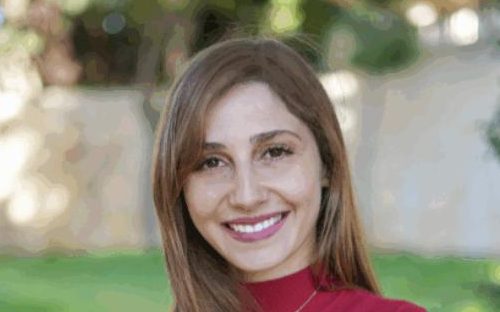
Dr. Rania Kassir works at the intersection of speech-language therapy, neuropsychology, clinical neuroscience and generative AI. For more than ten years, she has worked in clinical, academic and research environments with children, adolescents and adults presenting with communication, language, learning and cognitive difficulties.
Her work in AI education began with a practical clinical question: how can therapists use emerging systems such as ChatGPT without compromising scientific rigor, confidentiality, clinical reasoning or professional responsibility? The lack of a clear, profession-specific pathway led her to create Happy Brain Training.
Today, she develops AI training for therapists and healthcare professionals who want more than a list of tools. Her approach helps clinicians understand how generative AI works, identify appropriate use cases, structure effective prompts, evaluate outputs critically and decide where human expertise must remain central.
Areas of expertise
AI education grounded in clinical practice
Dr. Rania's expertise connects technological literacy with the realities of healthcare, rehabilitation and therapeutic practice.
AI for therapists
Practical generative AI skills for rehabilitation, allied health and therapy professionals, from first use to more advanced clinical workflows.
AI in clinical practice
Careful use of AI for professional writing, organisation, patient education, therapeutic ideation and other clinician-supervised tasks.
Prompt engineering for healthcare
Structured prompting that defines the objective, context, constraints, quality criteria and expected output while preserving clinician oversight.
AI for clinical documentation
Approaches to AI-assisted documentation that foreground confidentiality, jurisdiction-specific requirements, verification and professional accountability.
Generative AI for therapeutic resources
Creating and adapting activities and educational materials according to age, communication needs, goals, culture and level of difficulty.
Ethical and responsible AI
Critical evaluation of privacy, bias, reliability, transparency and the limits of AI in high-impact clinical decisions.
Qualifications and professional background
Clinical, scientific and educational foundations
Dr. Rania holds a Master's degree in Neuropsychology and Clinical Neurosciences from Lyon, France, and a PhD in Clinical Neurosciences, with research conducted between France and Lebanon. Her scientific work has included language, bilingualism, executive functions, aphasia, stroke, neurological disorders and neurodegenerative disease.
Alongside her clinical and research experience, she trained and became certified in prompt engineering and generative artificial intelligence. She is also involved in the scientific and professional development of speech-language therapy, including through her role as Chair of the Neurology Committee of the Lebanese Association of Speech-Language Therapists.
For international readers, her clinical profession may be described as speech-language therapy or speech-language pathology depending on the country. Her teaching is adapted for professionals working across different clinical, cultural, linguistic and regulatory environments.
The origin of Happy Brain Training
Why Dr. Rania Kassir founded Happy Brain Training
“I created Happy Brain Training because knowing that AI tools exist is very different from knowing how to use them well in healthcare. Therapists needed a pathway that was practical and understandable, but also consistent with scientific rigor, confidentiality, ethics and clinical responsibility.”
“My goal is not to teach professionals to replace their expertise with AI. It is to help them use AI as a tool that supports their expertise. Clinicians should understand what these systems can do, recognise their limitations, verify their outputs and remain fully responsible for the decisions they make.”
Profession-specific applications
Areas of AI training
Training is designed around real professional contexts, not generic technology demonstrations. Each pathway addresses relevant applications, limitations and safeguards.
AI in speech-language therapy
Clinical and educational applications for speech-language therapists and speech-language pathologists.
AI in occupational therapy
Responsible ways to support activity design, education, communication and professional workflows.
AI in psychology and neuropsychology
Critical, clinician-led exploration of AI for learning, communication, research and practice support.
AI in physical therapy
Practical uses of generative AI for professional education, communication and resource development.
AI for healthcare professionals
Foundations, prompt engineering and safe implementation for broader clinical and healthcare audiences.
AI literacy and responsible use
Resources that help professionals evaluate privacy, evidence, bias, reliability and appropriate human oversight.
Learn with Dr. Rania Kassir
Courses and AI training for therapists
English- and French-language learning pathways support professionals at different levels of experience, from an introduction to generative AI through applied prompting and case-based work.
Generative AI Essentials for Therapists
For clinicians who want a clear first introduction to generative AI, its professional uses and its limitations.
View the introductory session →Generative AI for Therapists
A foundational course for therapists and healthcare professionals beginning to use generative AI in their work.
View Level 1 →Creating Custom Therapeutic Materials with ChatGPT
For practitioners who want to create and adapt clinician-reviewed materials for specific goals and populations.
View Level 2 →Prompt Engineering and Case Studies
Advanced, structured prompting and case-based applications for clinicians seeking greater precision and control.
View Level 3 →Boost Your Productivity with Generative AI
Practical approaches to organisation, communication and professional tasks with appropriate verification.
View the productivity course →Explore the complete course catalogue
Browse AI courses by language, professional field and level of experience.
View all AI courses →Responsible clinical use
Science first, technology with purpose
AI can support elements of professional work, but it does not carry clinical responsibility. Dr. Rania teaches clinicians to use these systems with informed judgment.
Patient-identifiable information requires an appropriate legal, technical and organisational framework. Requirements differ across jurisdictions.
AI-generated information may be incomplete, inaccurate or fabricated and must be checked before professional use.
Diagnosis, treatment decisions and other high-impact judgments remain the clinician's responsibility.
Outputs may reflect linguistic, cultural, gender and data-related biases, especially in multilingual or diverse populations.
Professionals should distinguish their own clinical contribution from content generated or supported by AI.
The higher the clinical impact, the stronger the need for evidence, oversight and organisational governance.
International clinical education
An approach designed to travel across borders
Dr. Rania has trained, collaborated with and exchanged with therapists and healthcare professionals across Europe, the Middle East, North America and other international settings, including France, Belgium, Luxembourg, Switzerland, Austria, Lebanon, the United Arab Emirates, Jordan, India, Latvia, Canada and the United States.
This international experience shapes how she teaches. AI use must be interpreted in relation to the profession, practice setting, patient population, language, institutional policy and applicable regulation. The underlying principles are shared; the implementation cannot be one-size-fits-all.
Clinical AI analysis
Articles and insights
Explore selected Happy Brain Training analysis on AI in healthcare, clinical practice and professional decision-making.
AI Fatigue in Clinicians: Why More Tools Are Not Always Better
A practical reflection on choosing what deserves attention—and what clinicians can safely ignore.
Read the article →Claude for Healthcare and ChatGPT Health
What the shift toward healthcare-specific AI experiences may mean for professionals and organisations.
Read the article →What ChatGPT Health Means for Clinical Practice
An examination of changing health conversations and the continuing importance of professional judgment.
Read the article →Webinars, workshops and speaking
Professional education for clinical audiences
Dr. Rania is available for webinars, conferences, guest lectures, workshops and tailored professional training for healthcare teams and professional associations.
Possible formats
Keynotes, webinars, interactive workshops, multi-level training, guest lectures and collaborative professional education.
Speaking topics
Topics can be adapted to the profession, jurisdiction and level of prior AI experience.
What professionals say
Feedback from clinicians
Selected comments from therapists and healthcare professionals who have participated in Happy Brain Training sessions.
“The examples and explanations helped us understand how we can use AI to work more efficiently, save time, and improve the quality of our output.”
Sama M. · Speech and Language Therapist
“I really enjoyed how practical it was.”
Hiba S. · Occupational Therapist
“Informations synthétiques et claires — formatrice dynamique et disponible.”
Evelyne R. · NeuropsychologueFollow Dr. Rania Kassir
Practical AI insights for healthcare professionals
Connect with Dr. Rania and Happy Brain Training for clinician-focused analysis, educational resources, course updates and professional events.
Learn AI for clinical practice with Dr. Rania Kassir
Build practical generative AI skills while keeping scientific evidence, patient confidentiality, critical thinking and professional responsibility at the centre of your work.
Keep exploring
Explore Happy Brain Training
Press, research recognition & media coverage
A selection of interviews, round tables, radio features, press coverage and professional-journal recognition of Dr. Rania Kassir's clinical research and work on generative AI in speech-language therapy and healthcare.
Highlights — most recent & notable
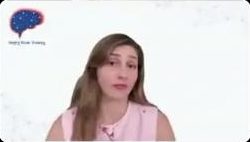
🇱🇧 Lebanon
🇫🇷 France
 Webinar
Introduction à l'intelligence artificielle générative en orthophonie
Video
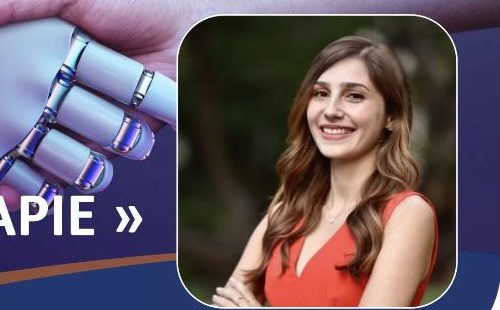
Webinaire « I.A. & Kinésithérapie » avec Rania Kassir
Webinar
Introduction à l'intelligence artificielle générative en orthophonie
Video
Webinaire « I.A. & Kinésithérapie » avec Rania Kassir
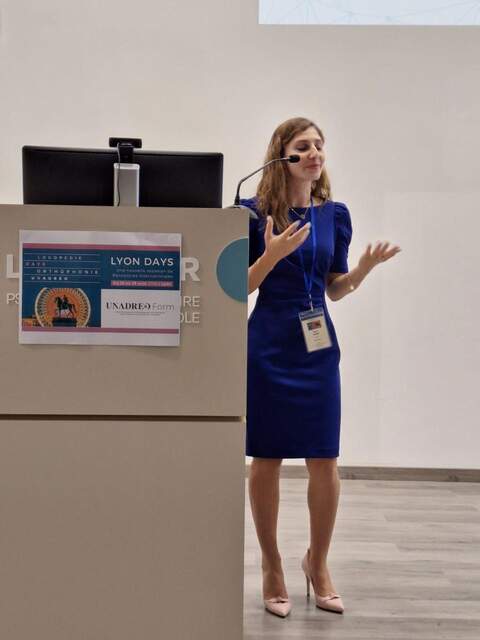 Conference
Intervention aux Lyon Days
Journal
Regards croisés sur l'intelligence artificielle en orthophonie
Podcast
Épisode 20 — Lyon Days — Rania Kassir
Journal
7 questions à Rania Kassir — Intervenante aux Lyon Days
Conference
Intervention aux Lyon Days
Journal
Regards croisés sur l'intelligence artificielle en orthophonie
Podcast
Épisode 20 — Lyon Days — Rania Kassir
Journal
7 questions à Rania Kassir — Intervenante aux Lyon Days
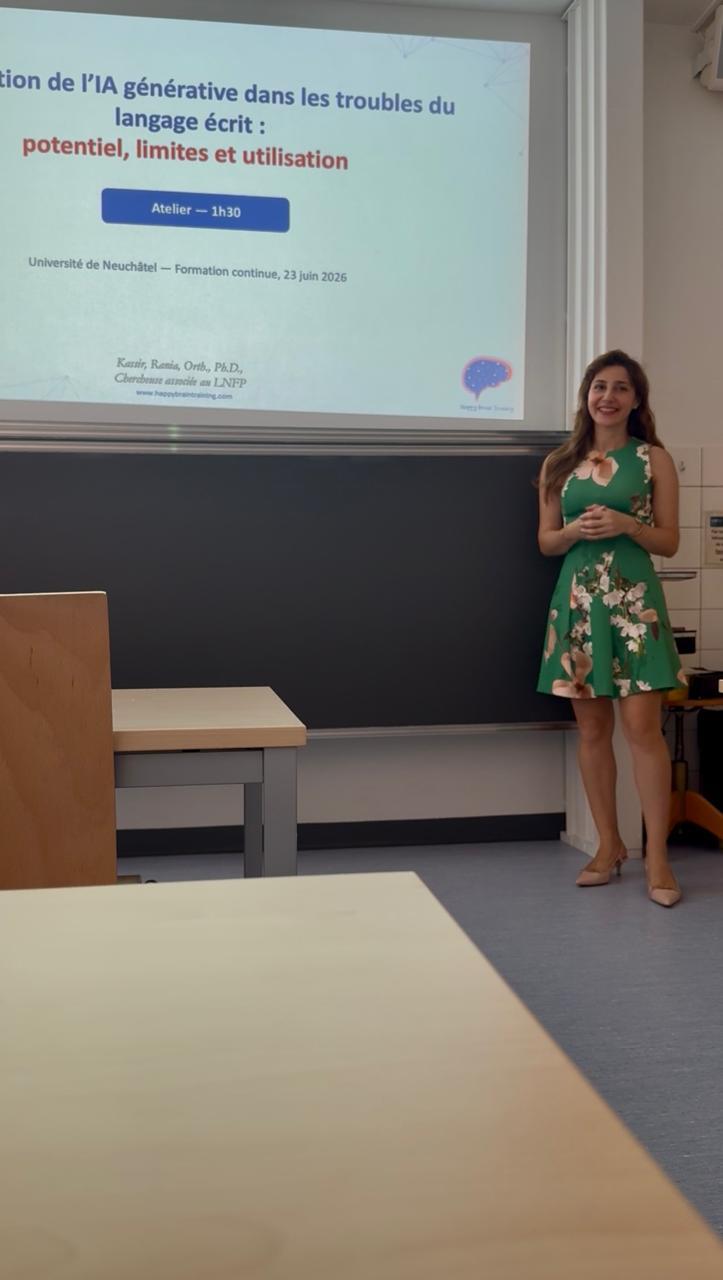
🇨🇭 Switzerland
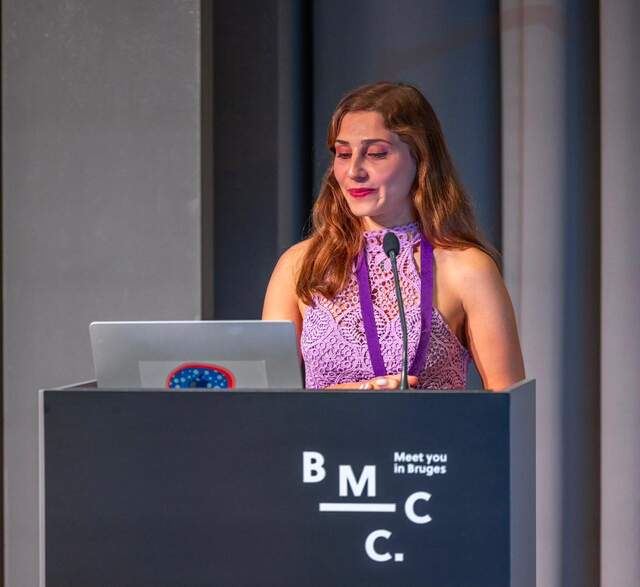
🇨🇦 Canada
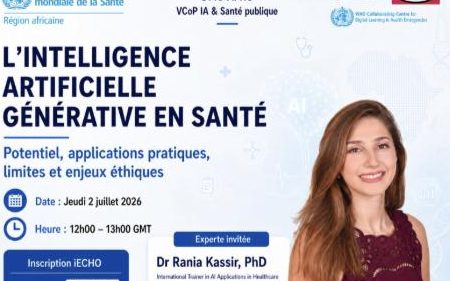
🌍 International — WHO / Africa
🇺🇸 United States
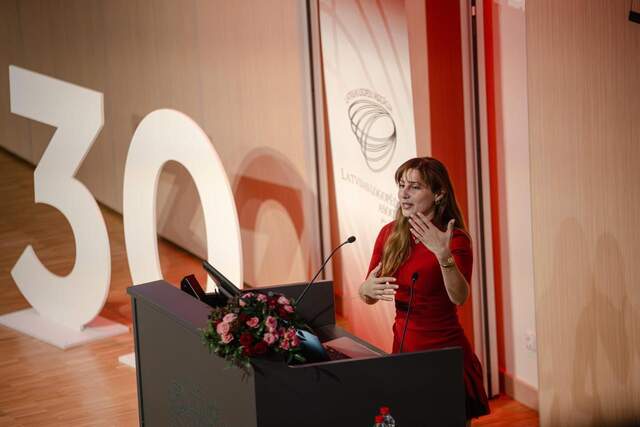
Some links point to archived versions of pages that have since moved on the publisher's site; content is preserved and accessible. Entries without a public link (Switzerland, Latvia, Belgium, and the Lyon Days platform talk) are documented here from event materials and photos.